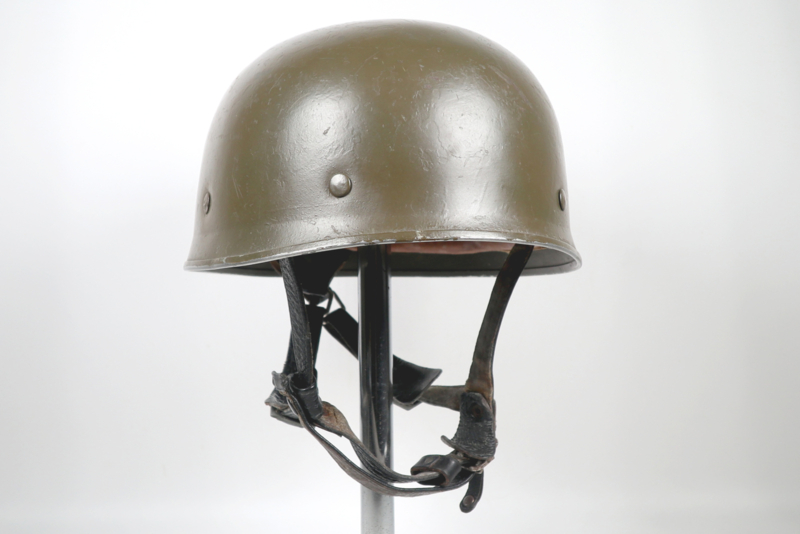

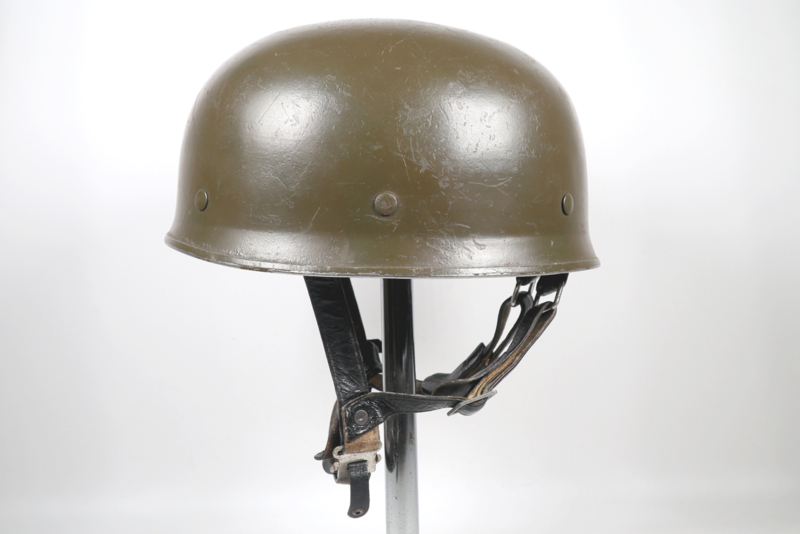
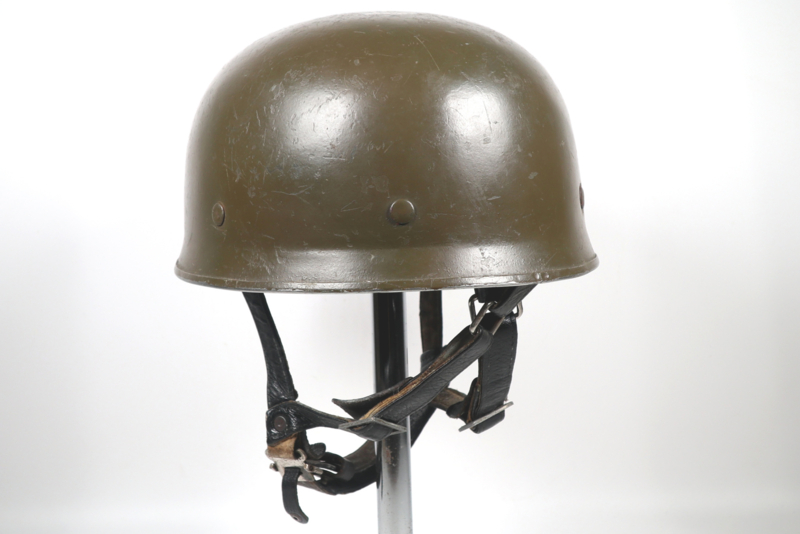
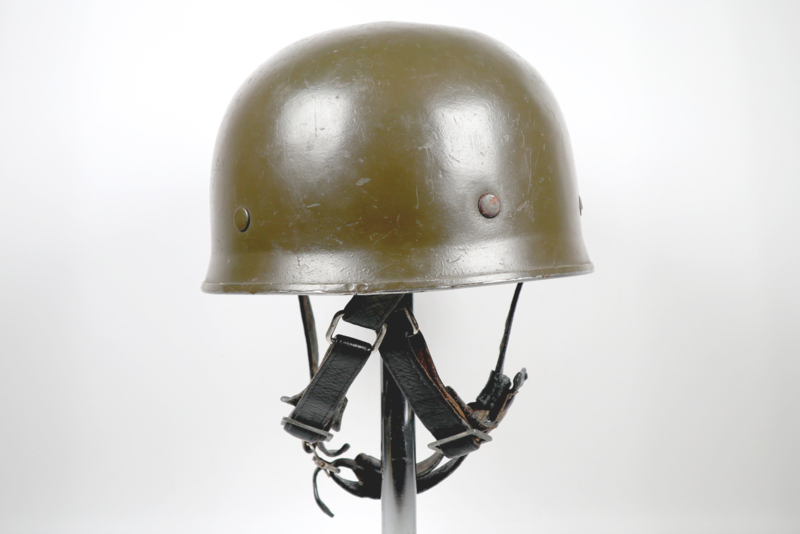
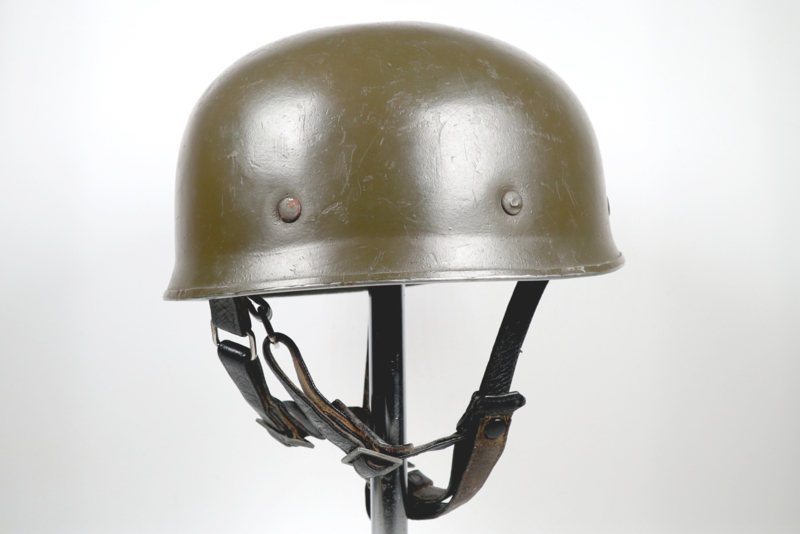
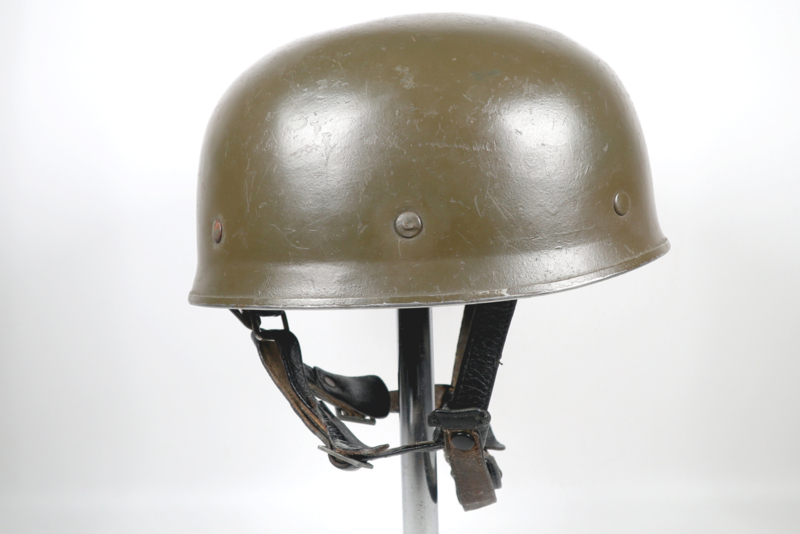
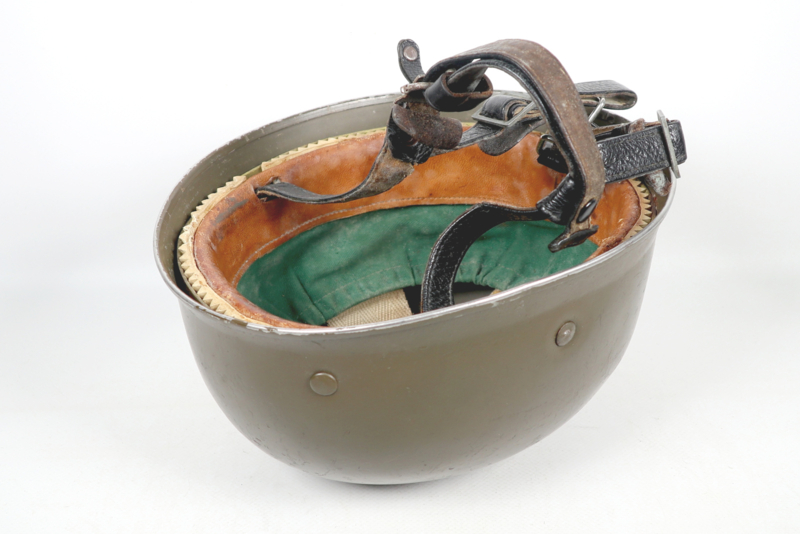
West German Experimental Paratrooper Helmet Model Römer
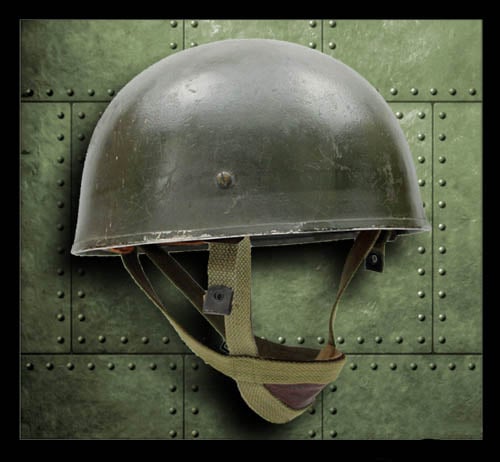
The West German Paratrooper Experimental Helmet Model Römer (also known as the Römer/LS) was a rare trial helmet tested by the Bundeswehr between 1957 and 1959. It was one of approximately 12 different experimental styles trialed during the early years of the West German paratroopers (Fallschirmjäger) before they eventually adopted a US-style M1 helmet in 1961.
Key Specifications & Design
- Production Volume: Extremely limited, with only 500 units produced.
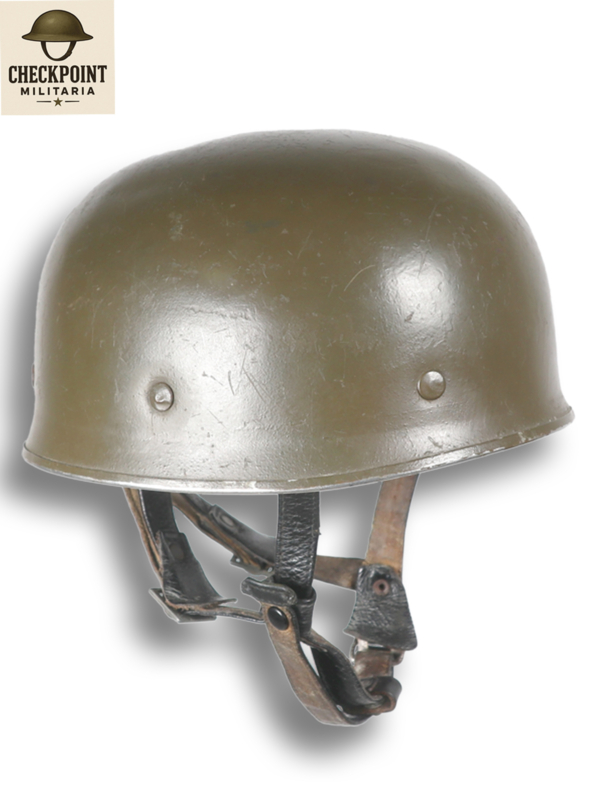
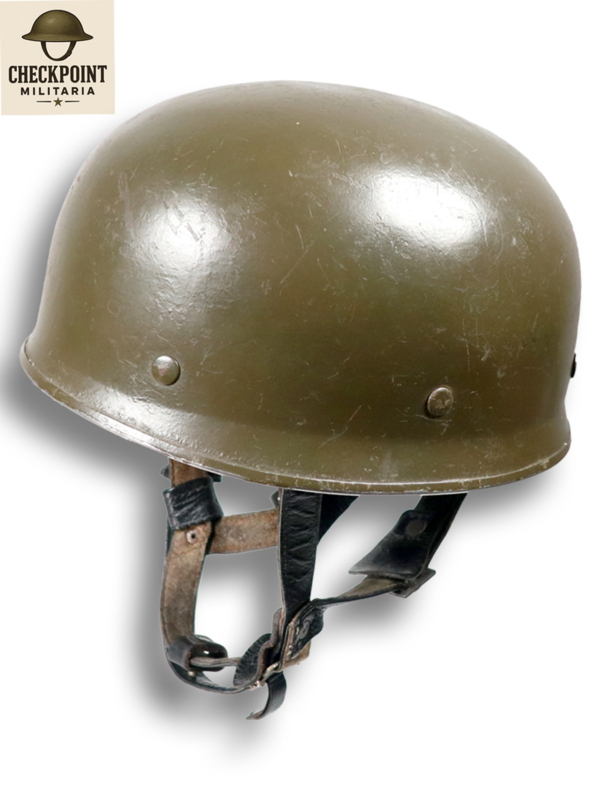
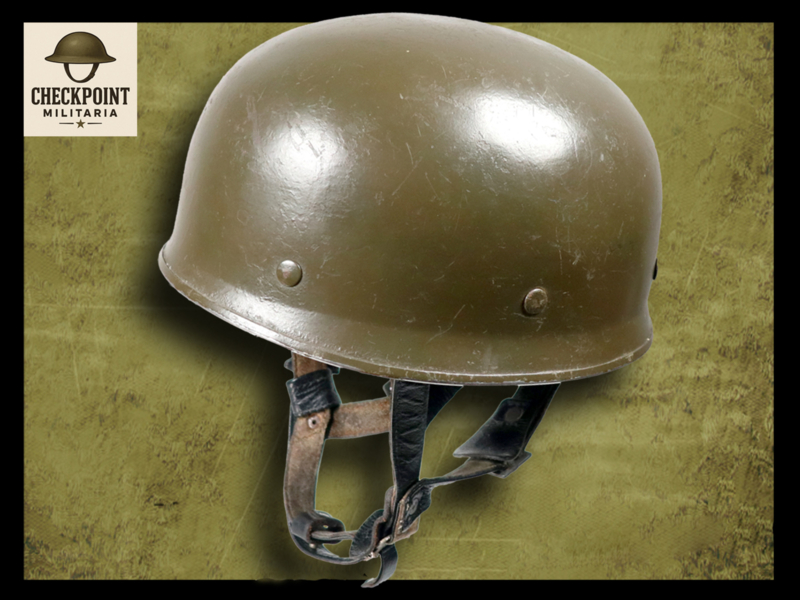
- Shell Design: Produced by manufacturer Linnemann & Schnetzer (LS), the shell shape closely resembles the WWII-era German M1938 paratrooper helmet.
- Edge Detail: Unlike the rolled edges of WWII models, this experimental version featured a welded stainless steel rim covering a raw edge.
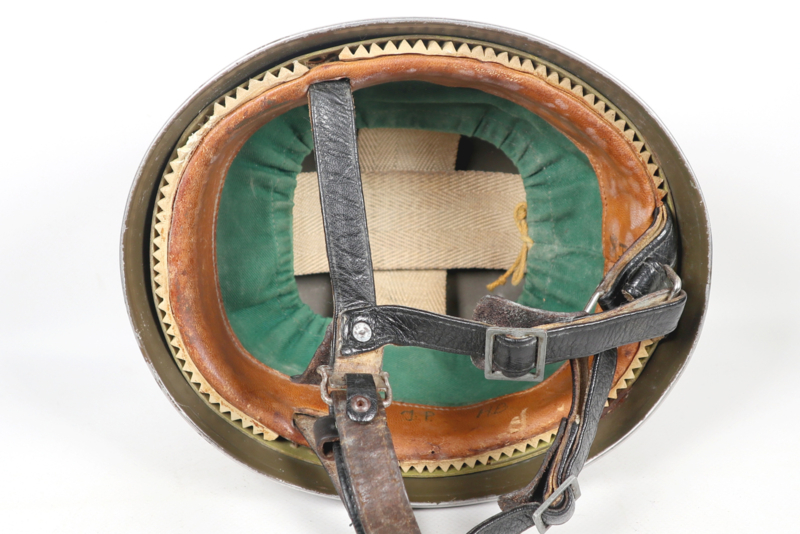
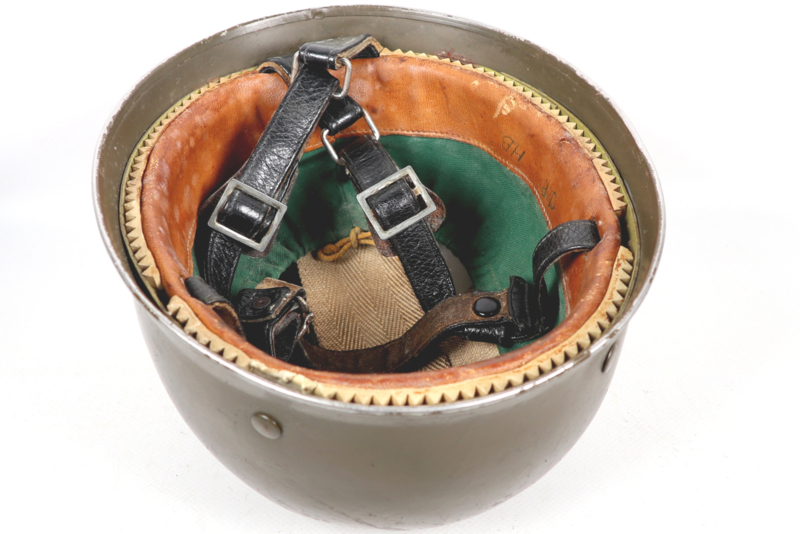
- Interior/Liner: Manufactured by Hans Römer Neu-Ulm (HRN), the liner was largely adapted from Römer’s motorcycle helmets of that era.
- It featured a fabric top adjustable via cord.
- The liner was secured to the shell using 6 hollow rivets.
- For safety reasons during the trial, head size was fixed and not adjustable.
- Color: Typically finished in a rough brown-olive paint (RAL 6014).
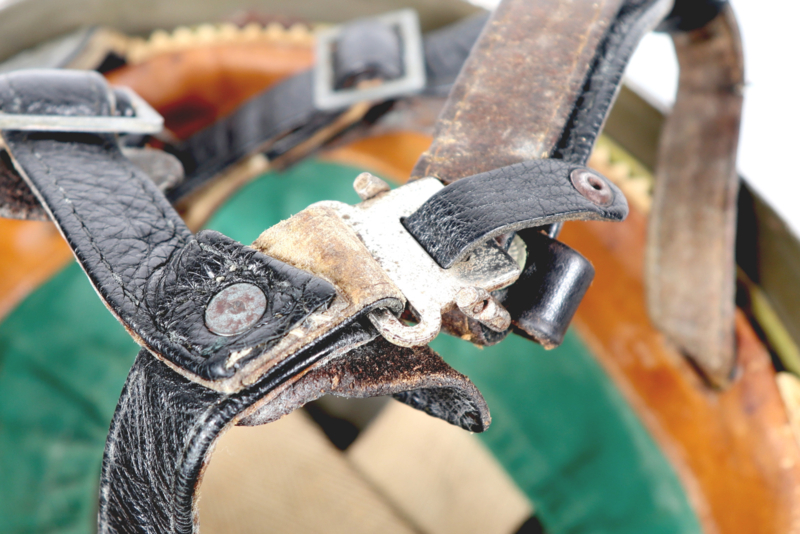
- Chinstrap: Highly complex straps also produced by Römer, featuring multiple adjustment points and firmly riveted to the inner liner ring.
Historical Context
Following the formation of the Bundeswehr in 1955, West German paratroopers lacked a standardized helmet. They conducted extensive field tests with various prototypes to find a design that balanced impact protection during jumps with combat effectiveness. While the Römer model favored the traditional German "M38" aesthetic, the trial period concluded with the selection of the M1-style helmet to align more closely with NATO equipment standards.
Payment only via bank transfer