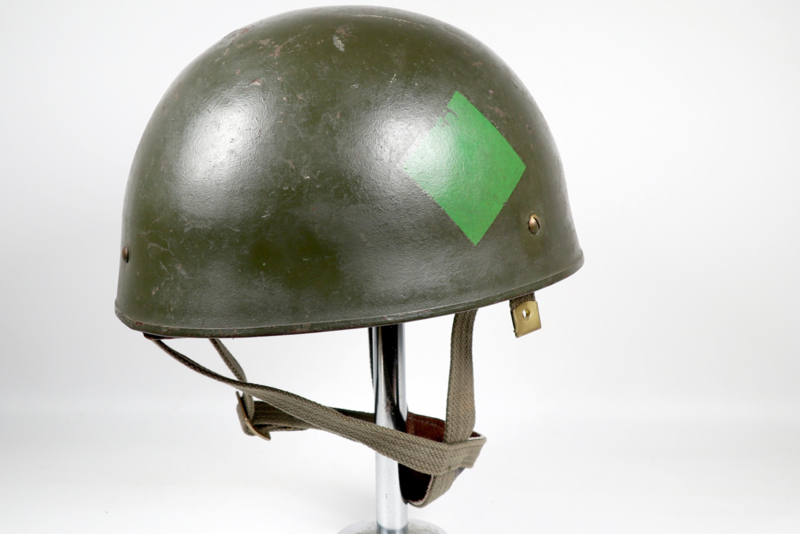
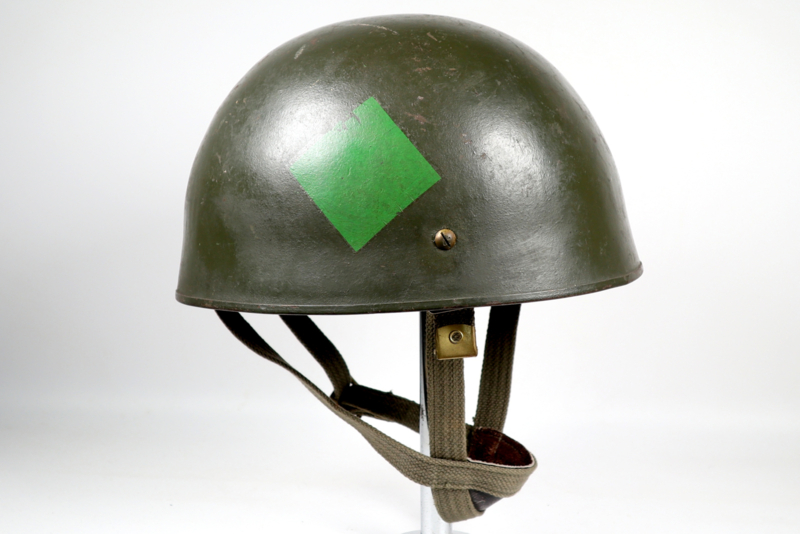
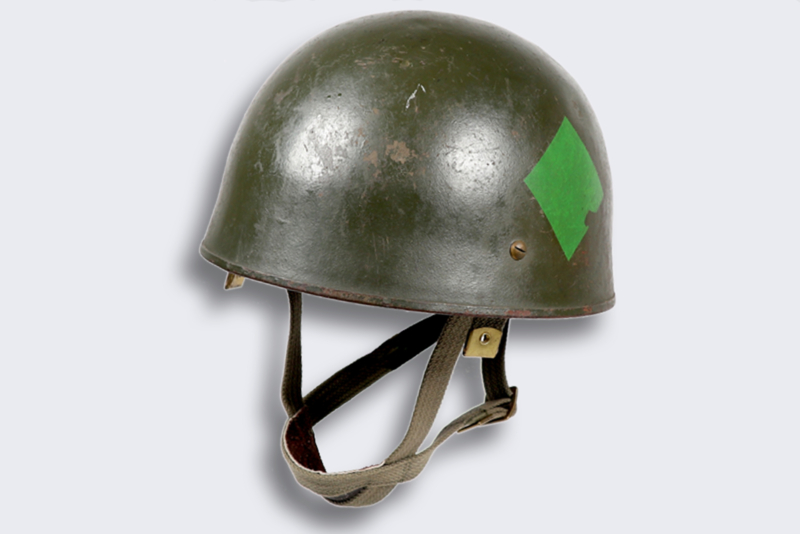
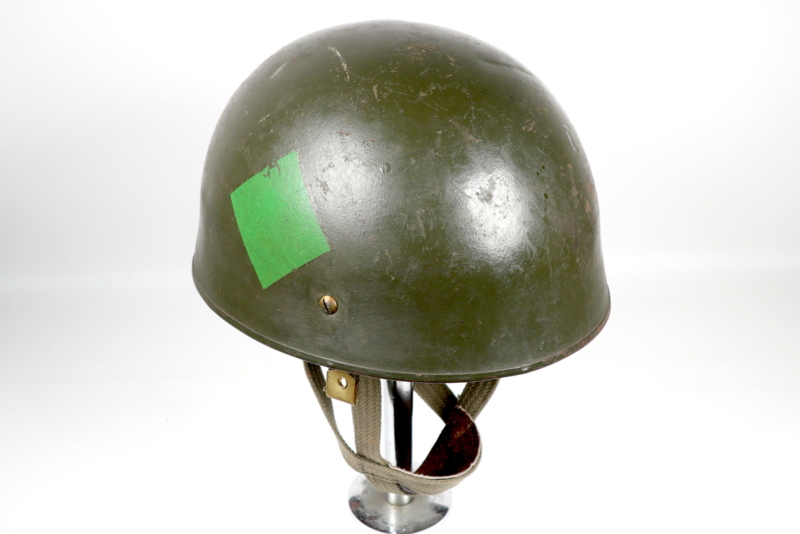

Belgian "ABL" Paratroopers Helmet
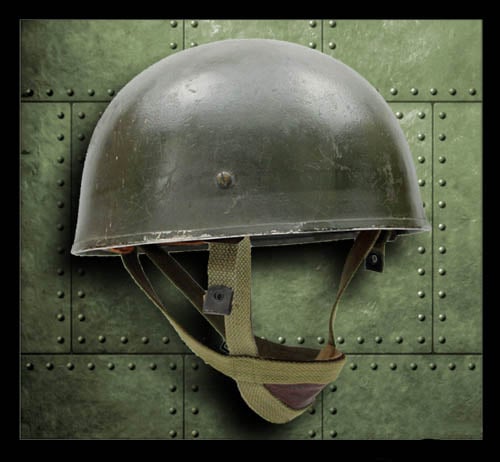
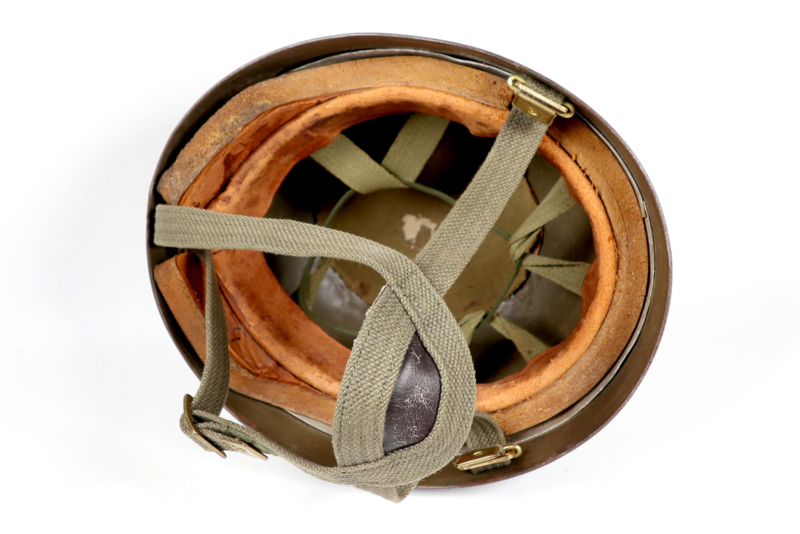
The Belgian paratrooper helmet Mk2 from 1952 (based on the British Helmet Steel Airborne Troops or HSAT Mk II model) is a steel helmet from the early Cold War. After the Second World War, the Belgian Armed Forces (ABL) equipped their elite troops of the Para-Commando Regiment with gear that relied heavily on British designs.
Below you will find the most important technical and historical features of this specific helmet:
Key Features
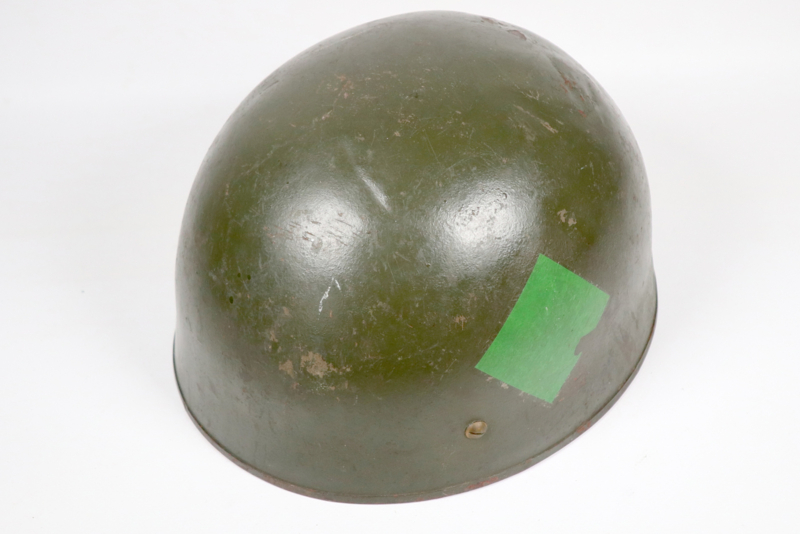
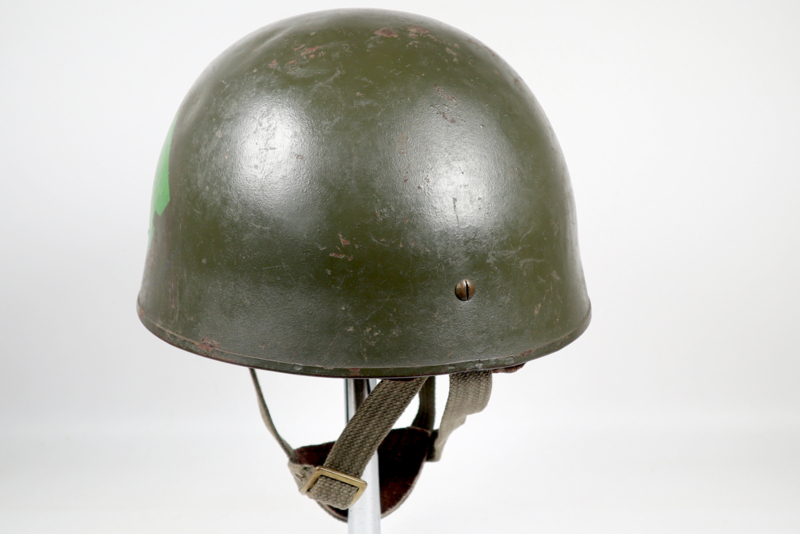
- The Model: The helmet is a direct, post-war Belgian production or adaptation of the British HSAT Mk II. Unlike the regular "Brodie" Mk2 infantry helmet (the famous flat "soup plates"), the paratrooper helmet has a streamlined, oval, dome-shaped shell without a wide rim. This prevented the wind from catching under the helmet during a parachute jump.
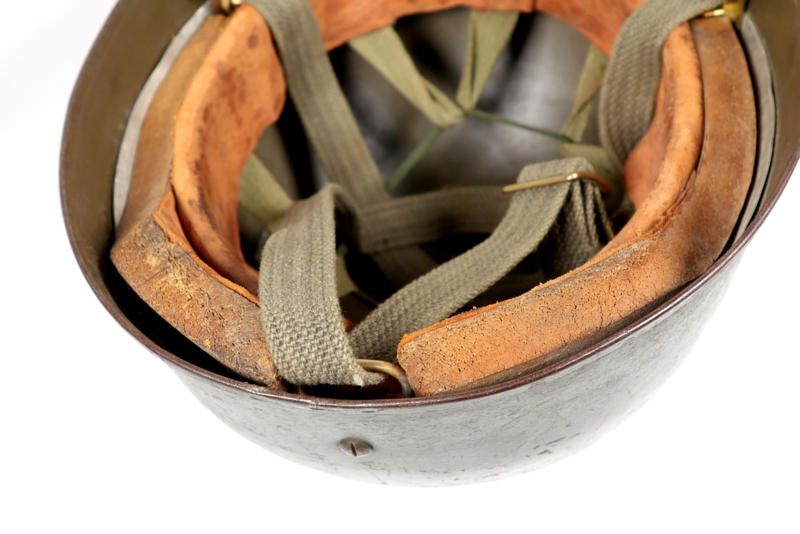
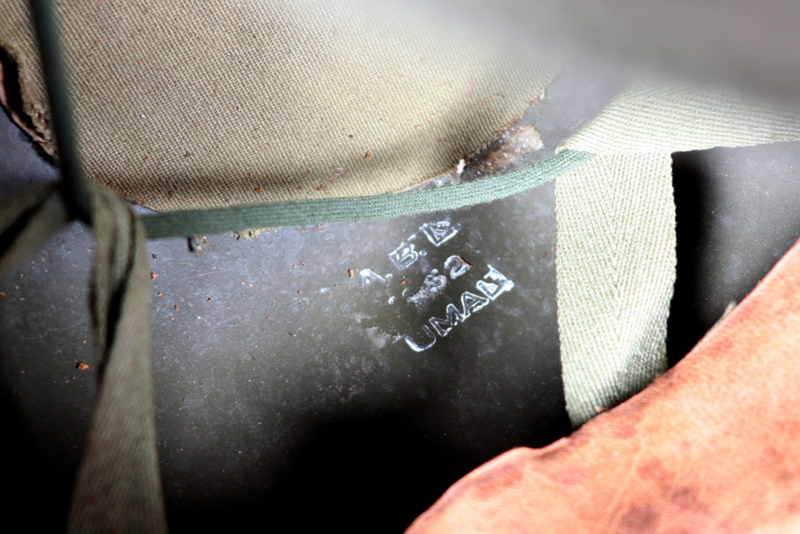
- The Stamps (ABL 1952): The inside of the shell or the leather liner is marked with the letters ABL(Armée Belge / Belgisch Leger) and the year 1952.
- The Belgian Flag (Flash): Characteristic of the Belgian version is the Belgian tricolor (black-yellow-red) applied to the side of the helmet as a decal or a painted 'flash'. On today's collector market, this flag has sometimes been scraped off many specimens in the past to make the helmet pass for a British WWII piece at the time.
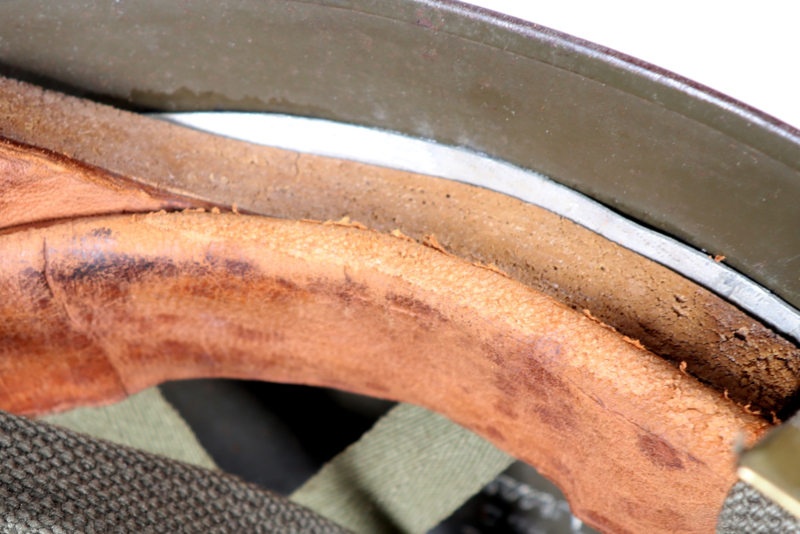
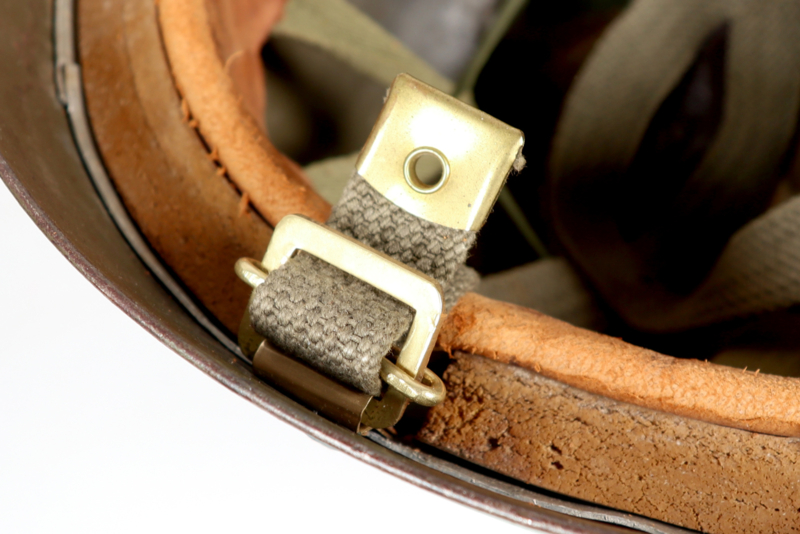
- Liner & Chinstrap: The interior contains a complex sprung suspension system with a thick leather sweatband and a crash pad in the crown to absorb the impact of a landing. The chinstrap is a canvas webbing system featuring a chin cup for added stability. The liner often features typically Belgian white stitching.
- Color: The helmets are painted in a typical olive drab or characteristic Belgian khaki/army green color, sometimes featuring a rough texture to prevent reflection.
Historical Context
Around 1952, during the Korean War and the buildup of NATO, Belgium professionalized its airborne troops. The helmets from this production batch were used intensively during training in places like Schaffen (the Paratrooper Training Centre of the Belgian army) and during early deployments in post-colonial periods.
Size: 57