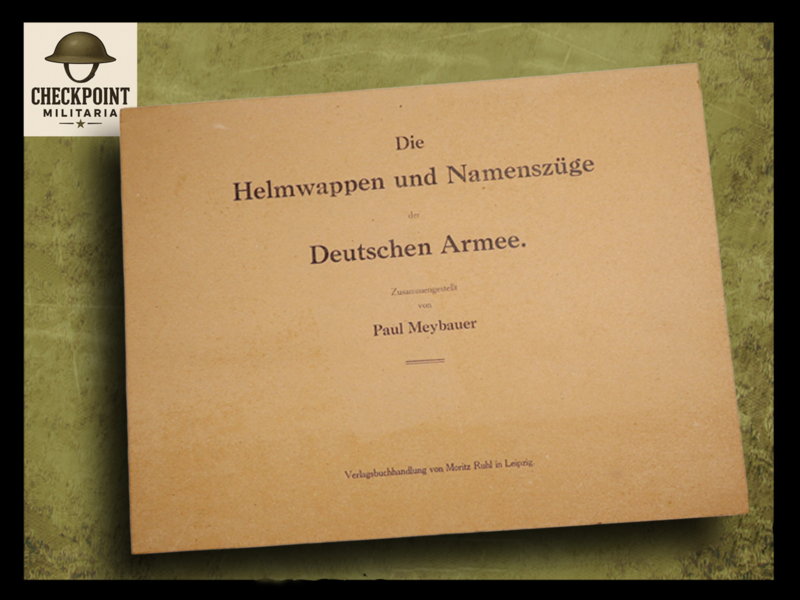
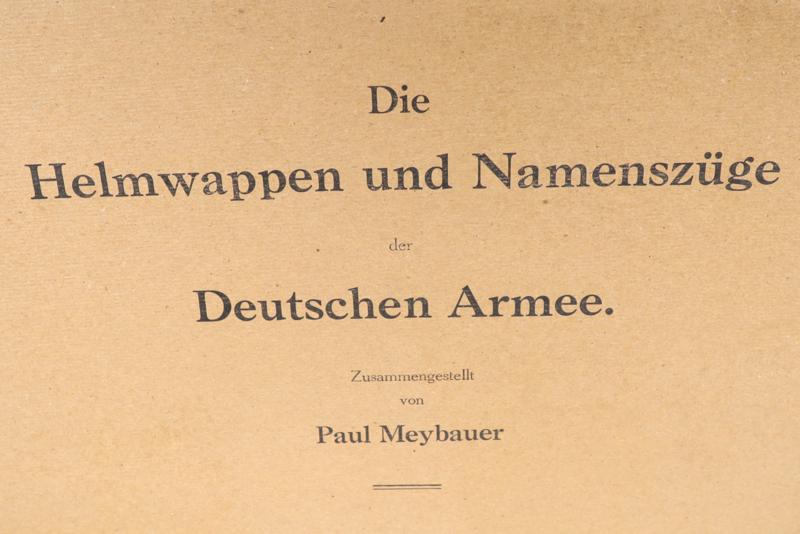
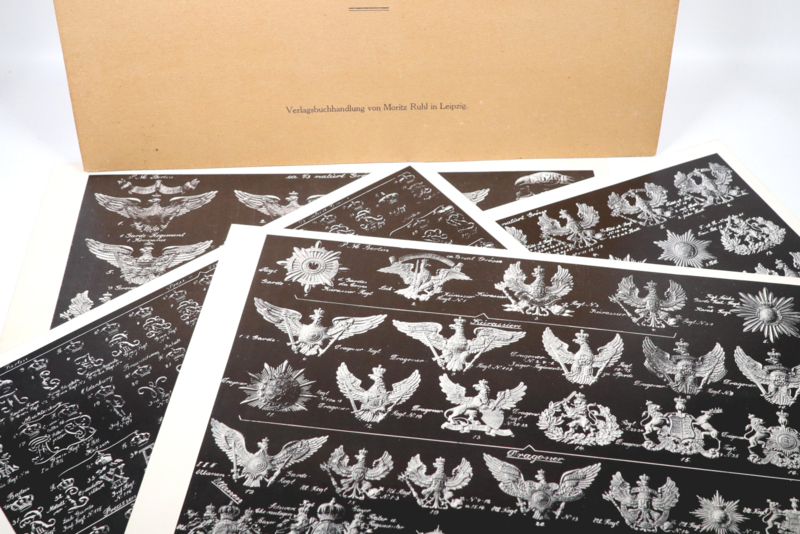
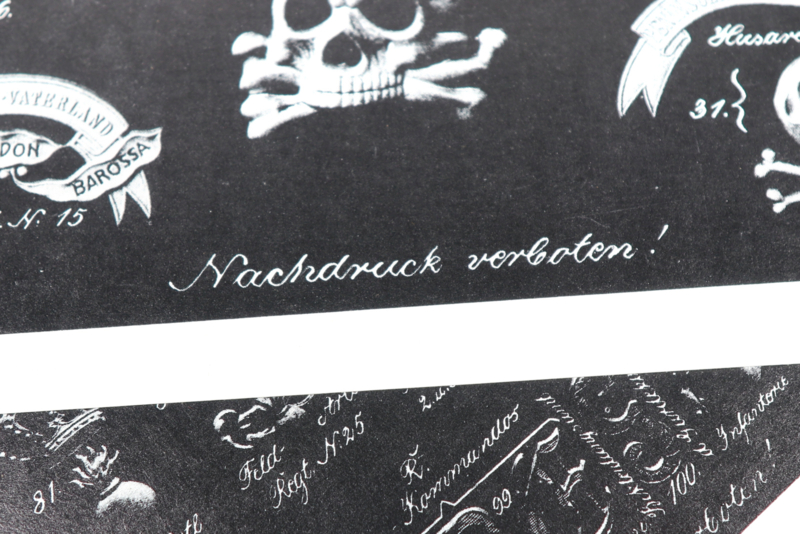
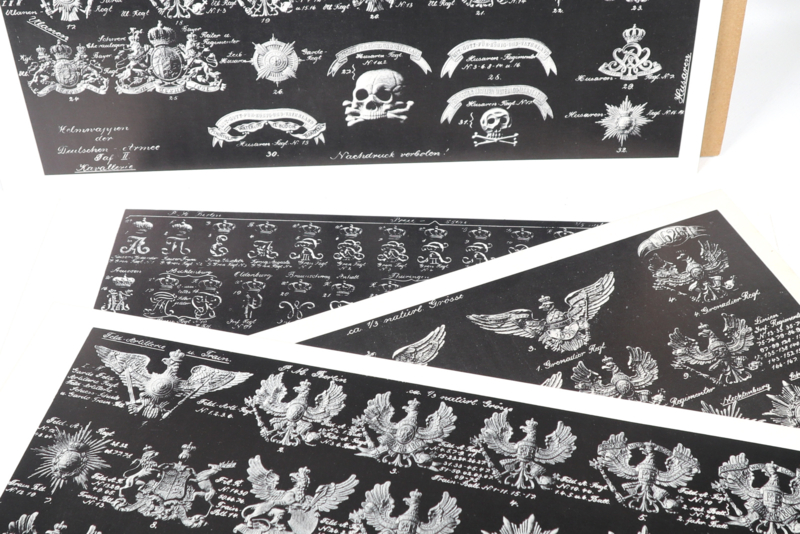
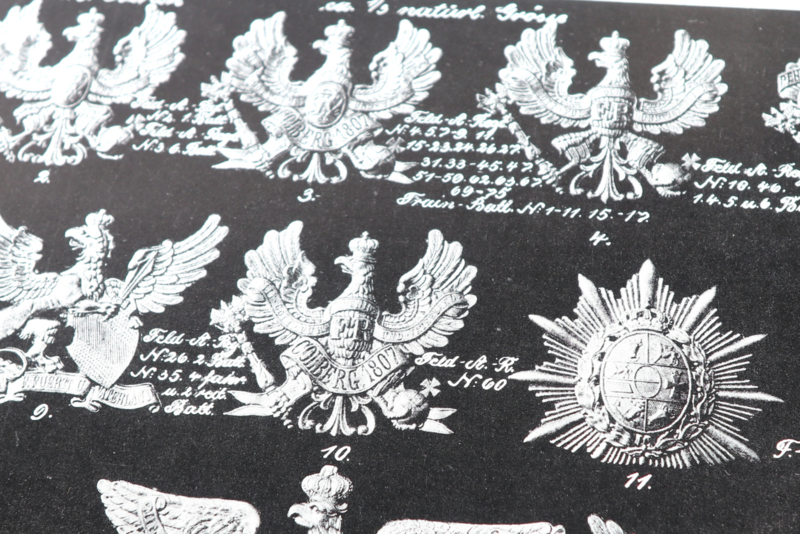
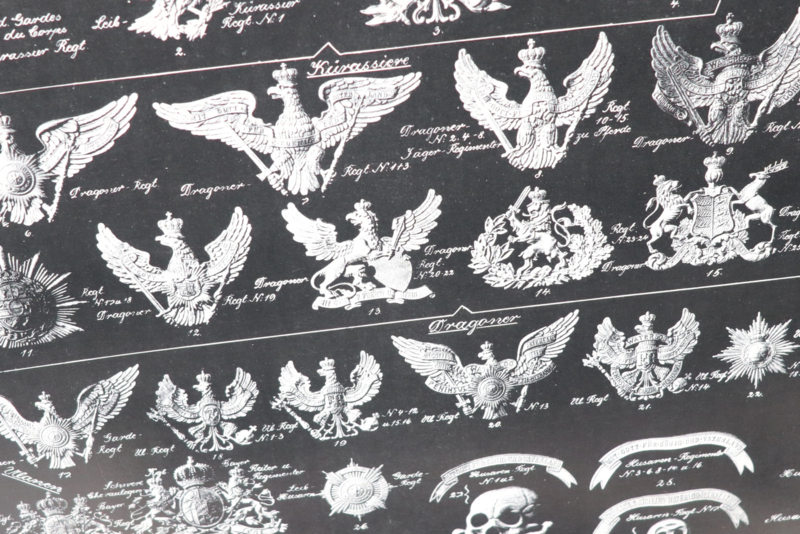
Die Helmwappen und Namenszüge der Deutschen Armee.
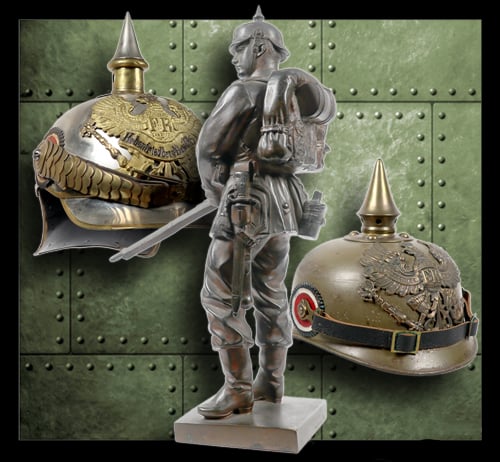
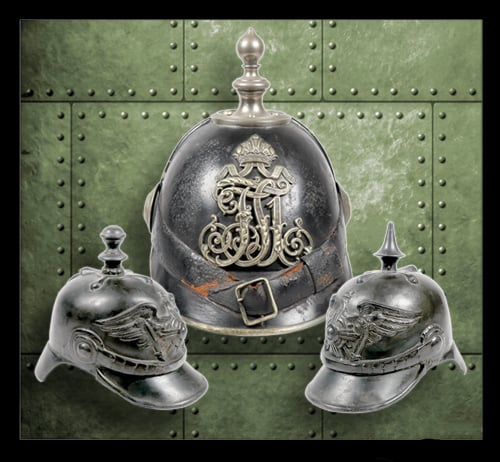
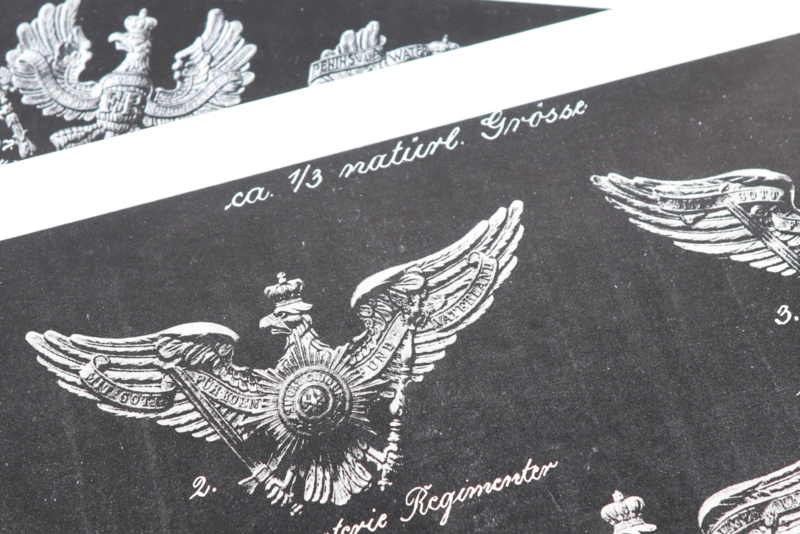
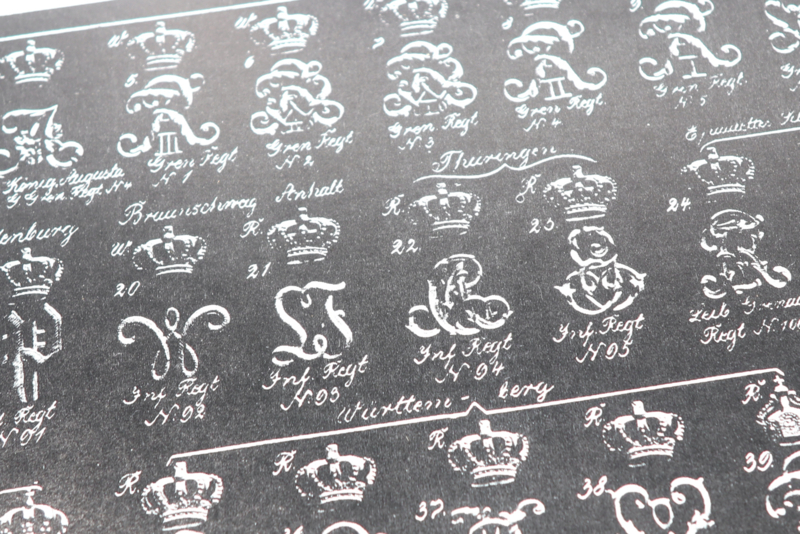
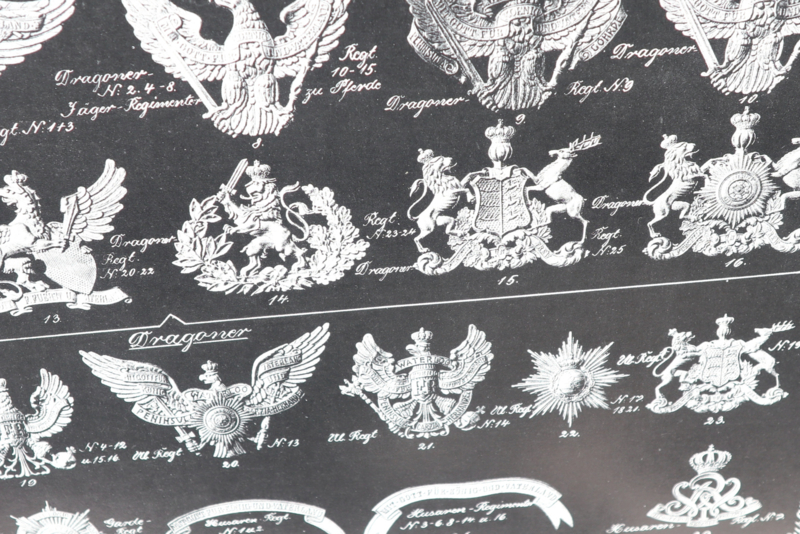
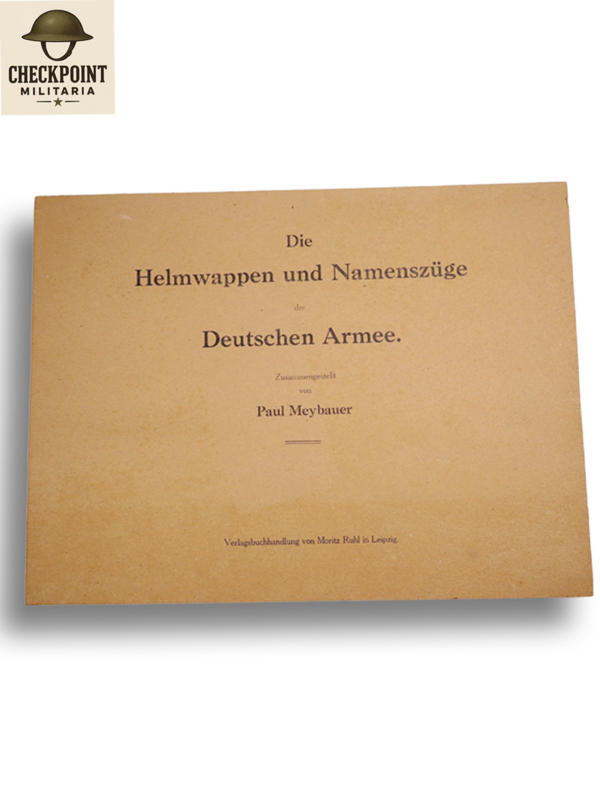
"Die Helmwappen und Namenszüge der Deutschen Armee" (The Helmet Emblems and Regiment Numbers of the German Army) is a famous reference work for militaria collectors, originally compiled by Paul Meybauer. It serves to identify the various emblems (wappens) and monograms worn on the headgear (especially the Pickelhaube) of the Imperial German Army before 1918.
Details about the work
- Author/Publisher: Compiled by Paul Meybauer, a well-known Berlin manufacturer of military effects.
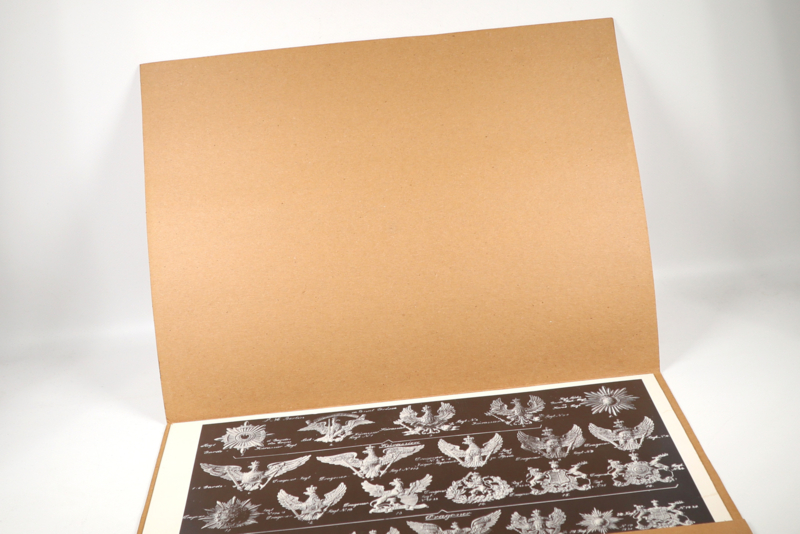
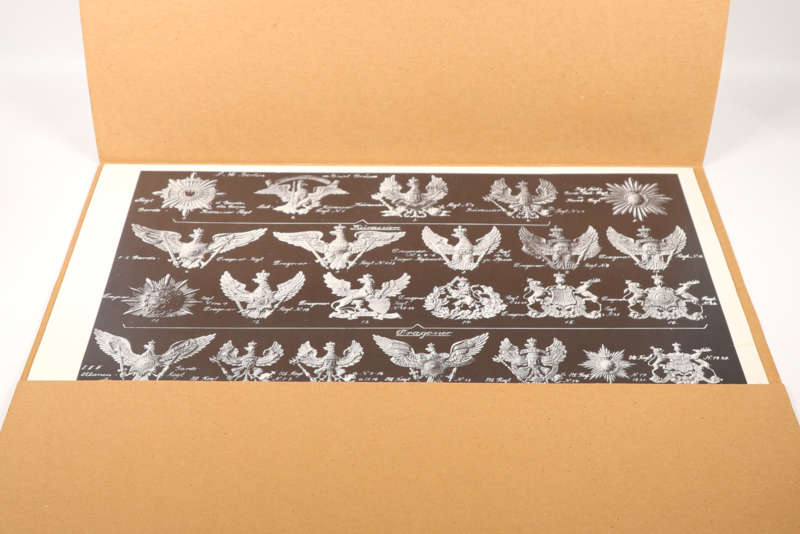
- Contents: The work consists classically of large plates (four pieces) that systematically display the helmet plates of the various army branches:
- Plate I: Infantry
- Plate II: Cavalry and other units
- Plates III & IV: Further specializations and monograms (name numbers) of the regimental commanders.
- Size: They are often available in large format (approx. 30 x 37 cm) to make the fine details of the metalwork clearly visible.
- Availability: Nowadays, it is rare to find these (approx. 1910). It is essential for collectors of Pickelhauben and uniform history.
Meaning of the helmet emblems
In the German Imperial Army, these emblems indicated the region from which the soldier came (e.g., Prussia, Bavaria, Saxony, or Württemberg) and often also the specific regiment to which he belonged. The name numbers (numerals or monograms) were usually located on the shoulder patches or as special emblems on the front of the helmets of elite units (Guard Regiments).