U.S. Armed Forces Expeditionary Medal
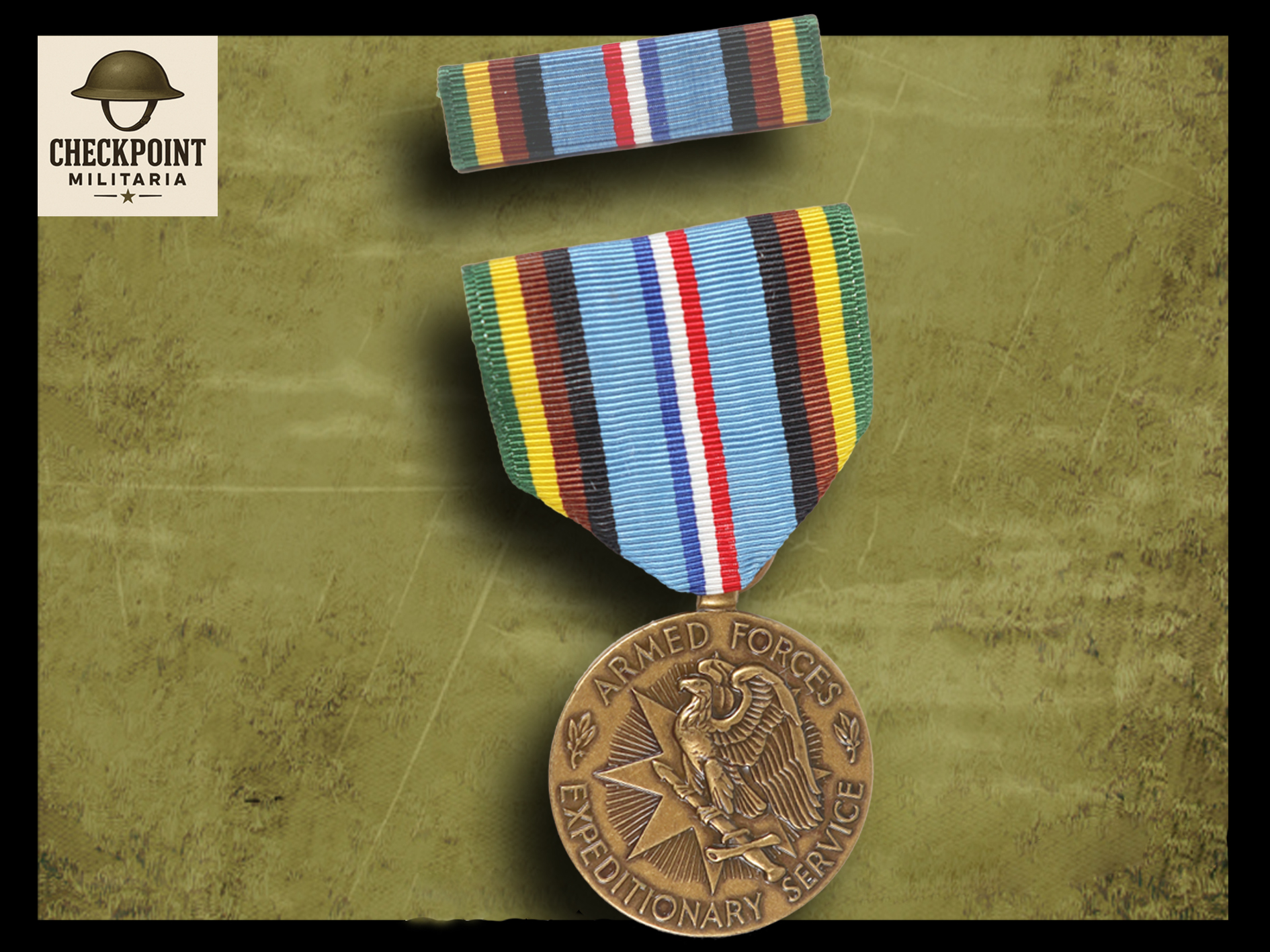
The Armed Forces Expeditionary Medal (AFEM) is a United States military award established in 1961 by President John F. Kennedy. It is awarded to members of the U.S. Armed Forces who, after July 1, 1958, participated in military operations, U.S. operations in support of the United Nations, or assistance to friendly foreign nations.
Key Criteria for Awarding
- Participation: The recipient must be part of a unit directly engaged in the operation.
- Duration: Typically requires a minimum of 30 consecutive days or 60 non-consecutive days in the area of operations.
- Exceptions: The time requirement may be waived for direct armed contact or high-risk missions.
- No Other Medal: The AFEM is only awarded if a specific campaign medal (like the Vietnam Service Medal) has not been established for that operation.
Design and Symbolism
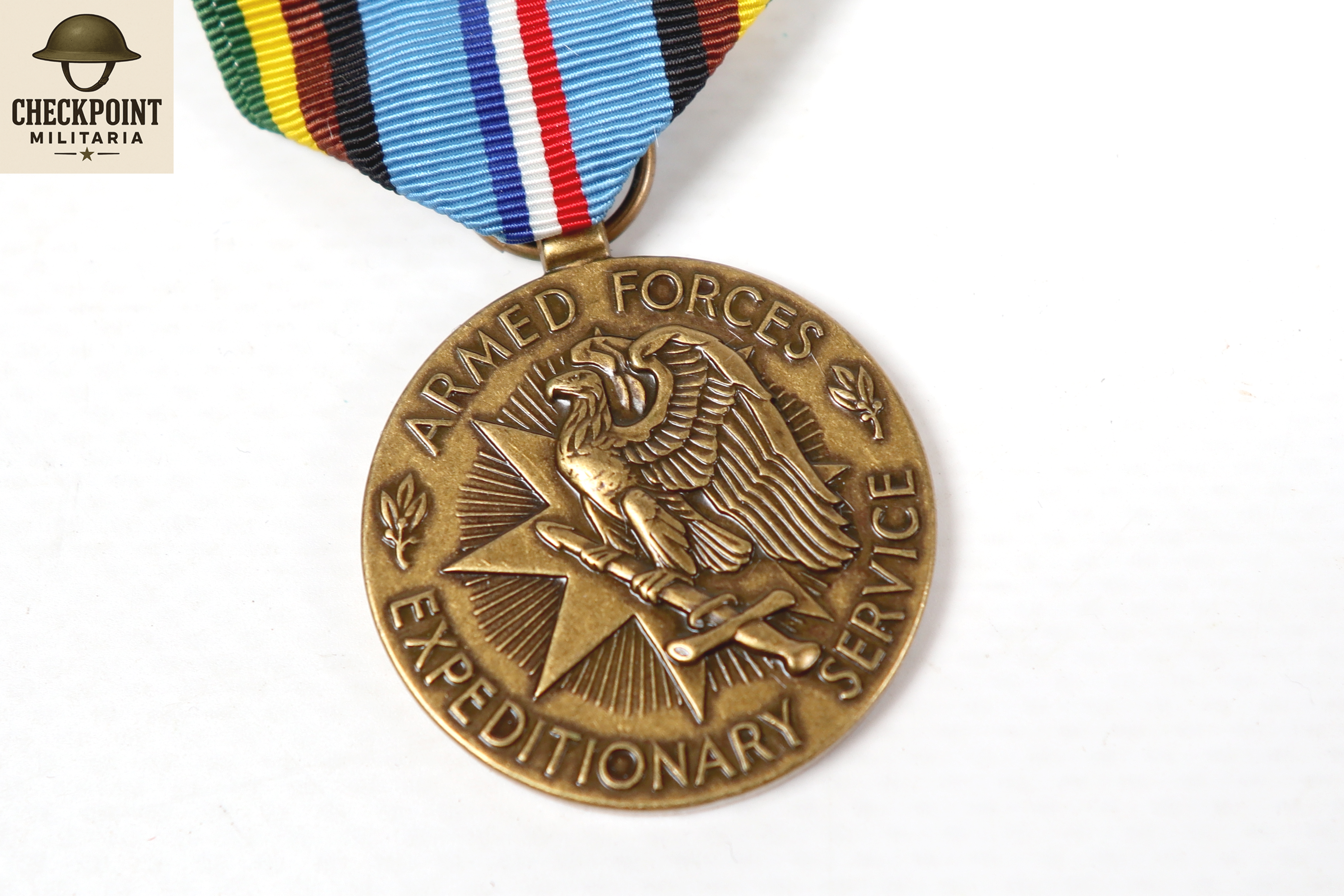
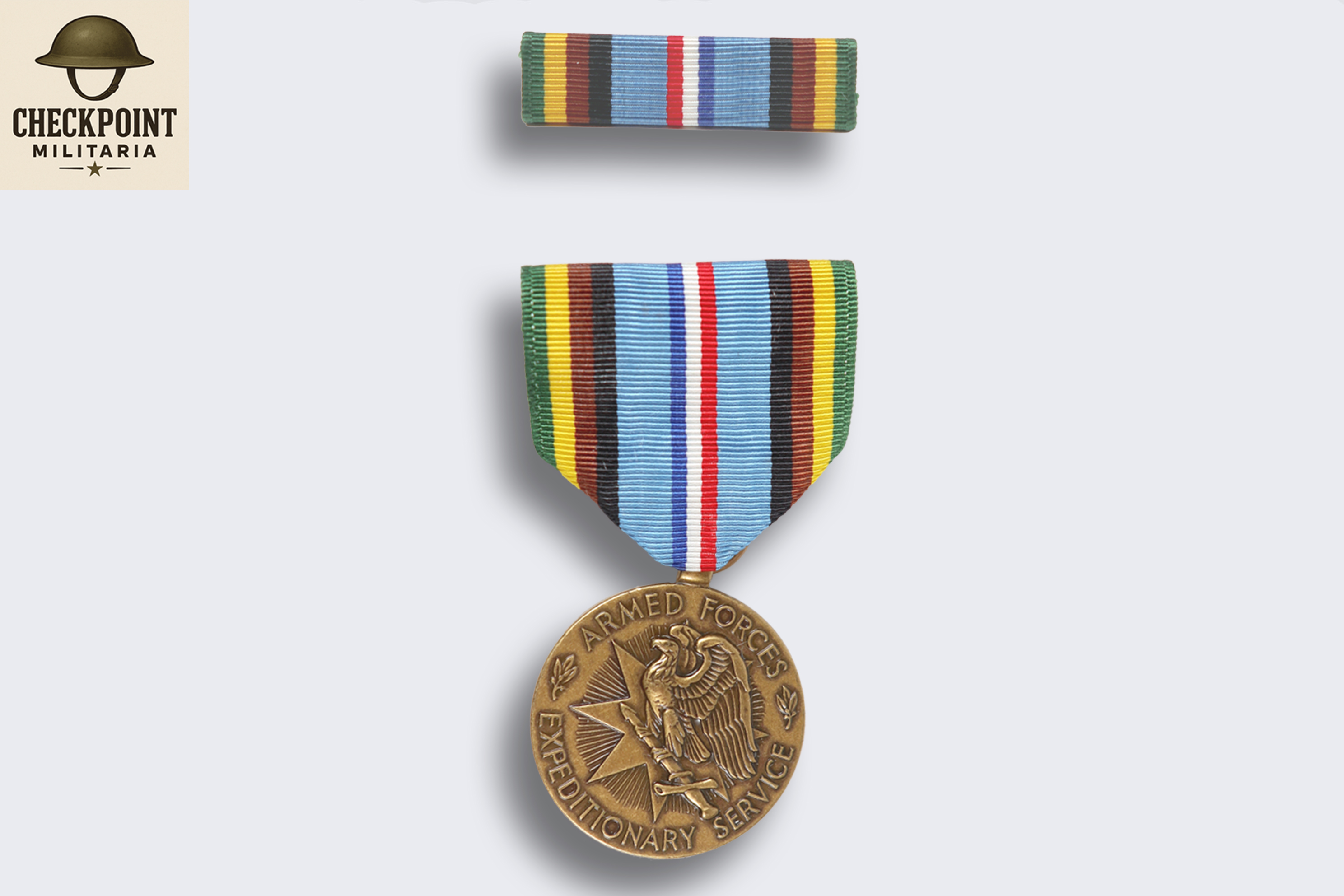
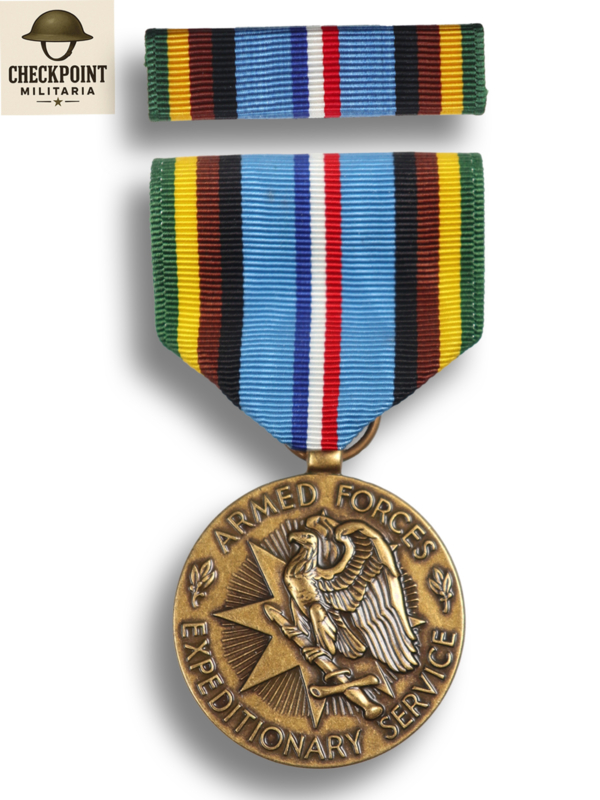
- Obverse: An eagle perched on a sword in front of a compass rose, surrounded by the text "Armed Forces Expeditionary Service."
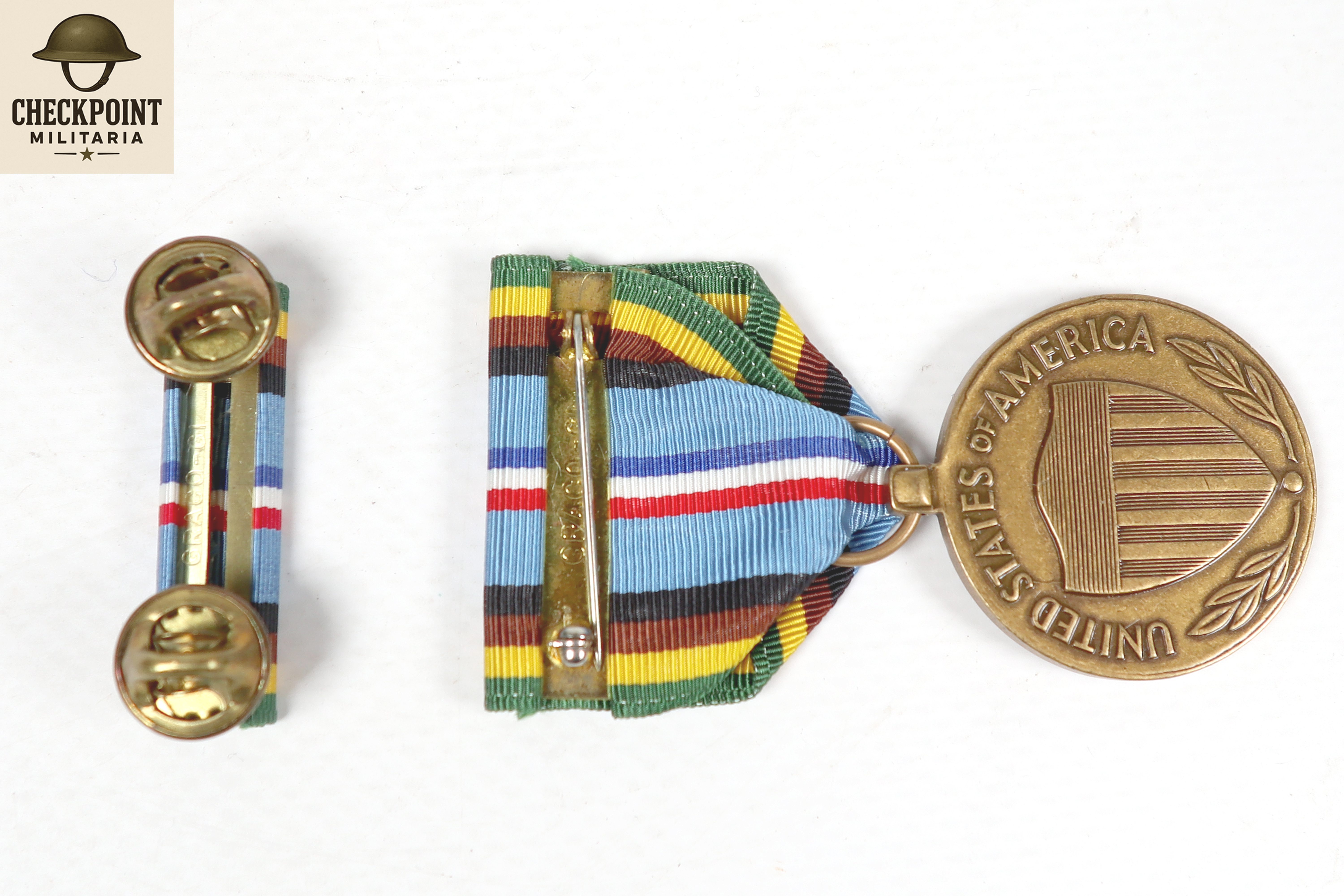
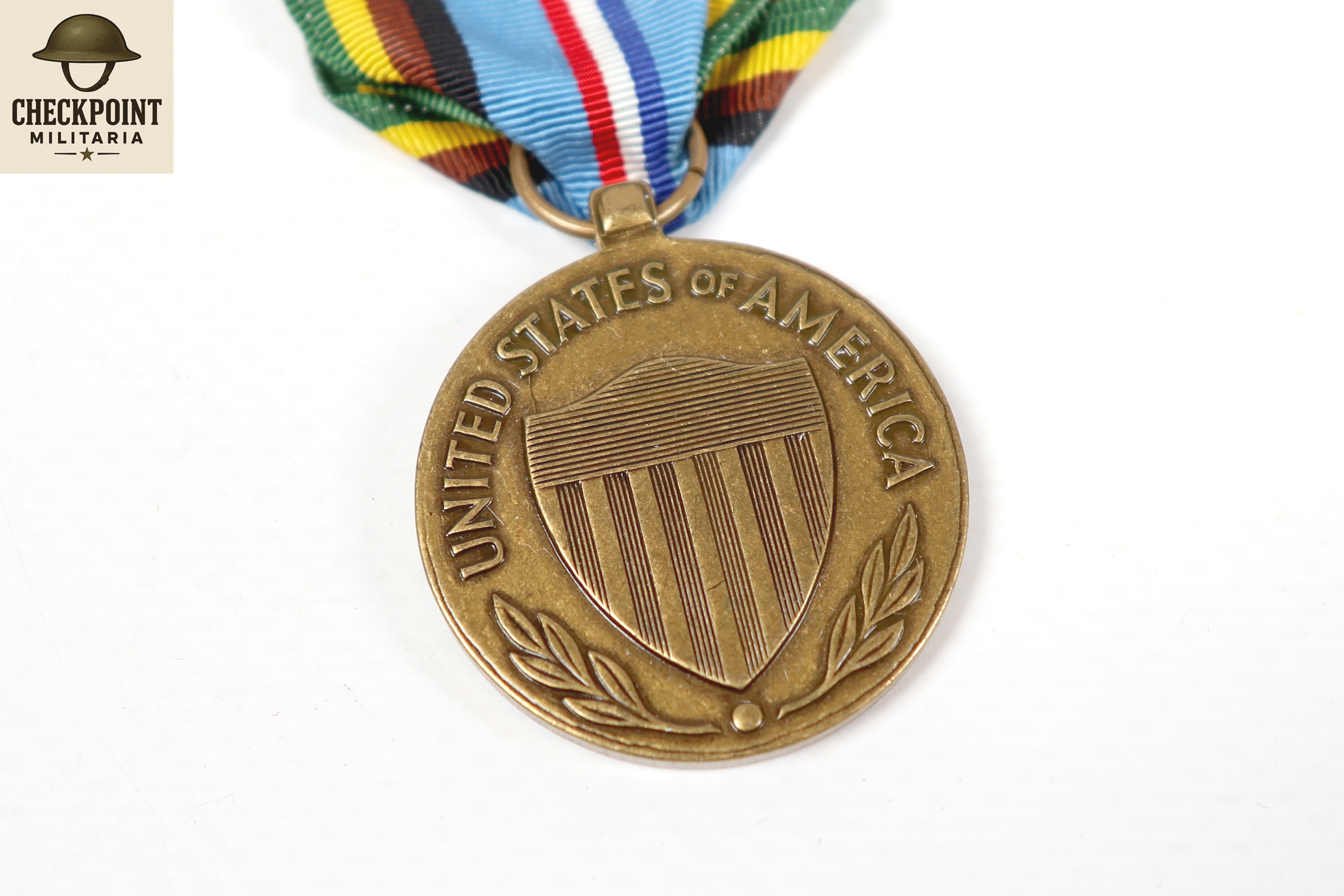
- Reverse: The United States coat of arms with two laurel branches and the inscription "United States of America."
- Ribbon: The blue, white, and red center colors represent the U.S.; the side colors symbolize the various global regions where American troops serve.
Notable Operations (Selection)
The medal has been authorized for over 45 operations, including:
- Cold War: Berlin (1961–1963), the Cuban Missile Crisis (1962), and Korea (1966–1974).
- Conflict: Grenada (1983), Panama (1989), Somalia (1992–1995), and operations in the former Republic of Yugoslavia (from 1992).
- Gulf Region: Operations such as Southern Watch and Northern Watch until March 2003, after which the Global War on Terrorism Expeditionary Medal took over for this region.