
French M1910 Triple Foldable Monjardet Candle Lantern
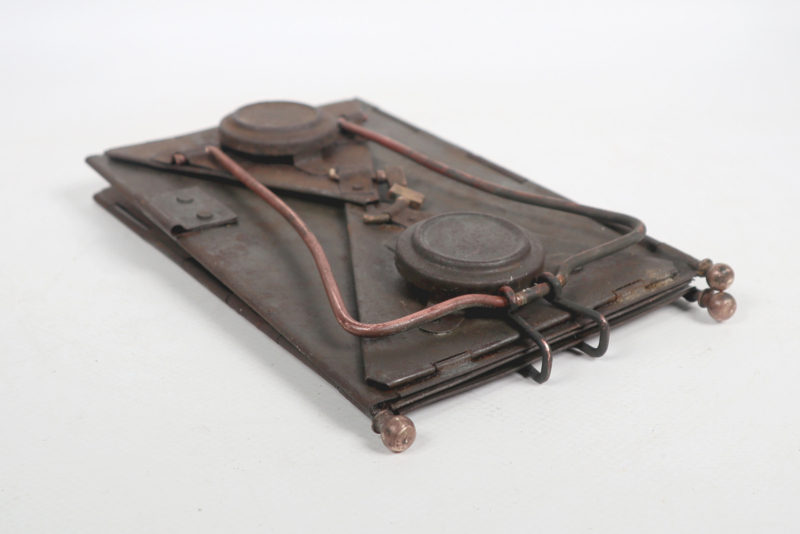
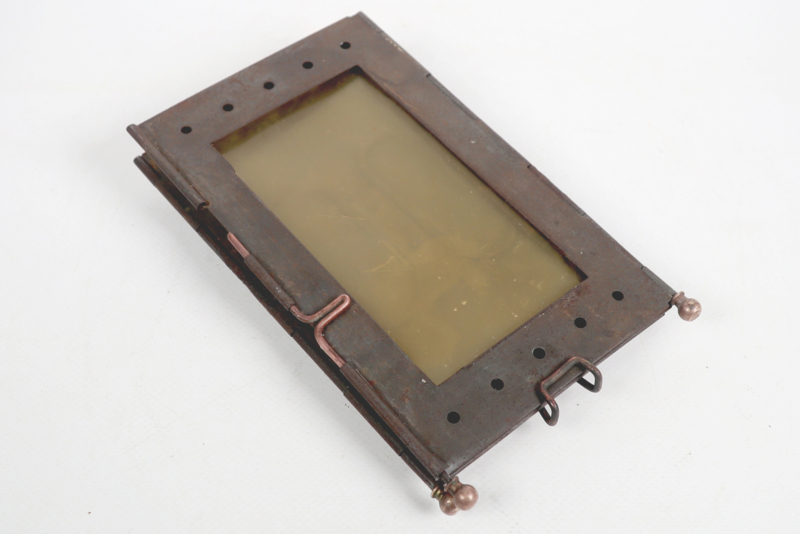
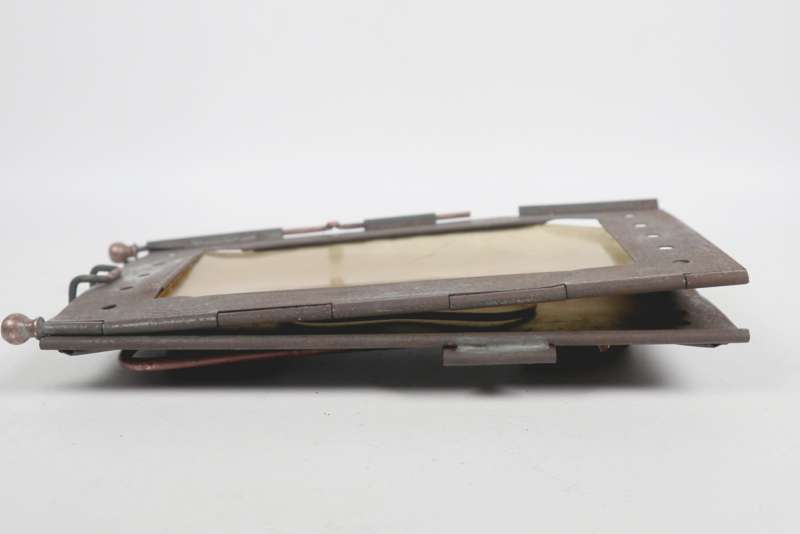
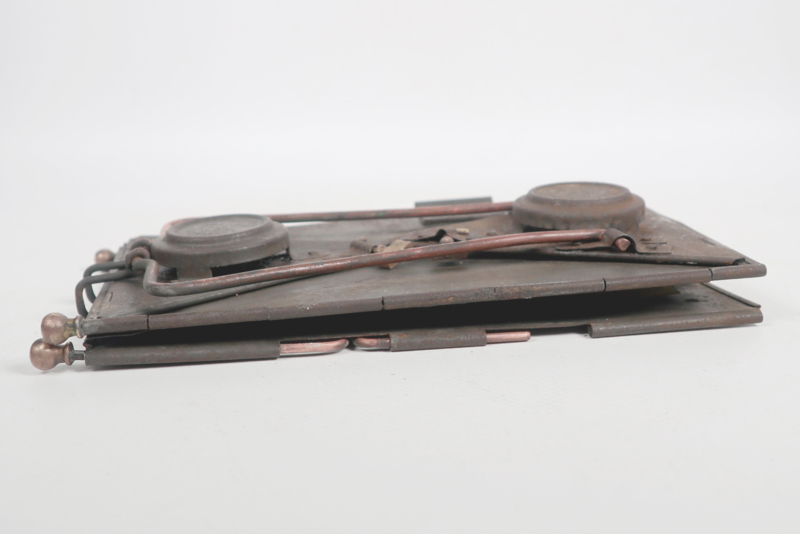
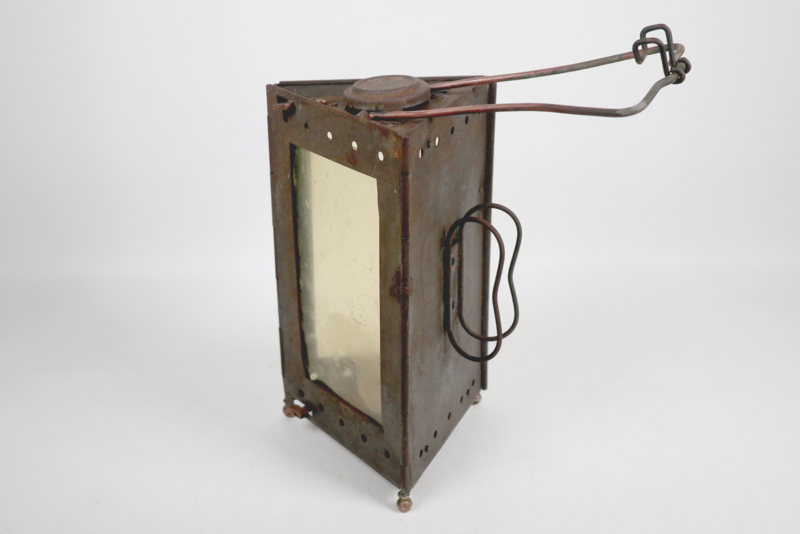
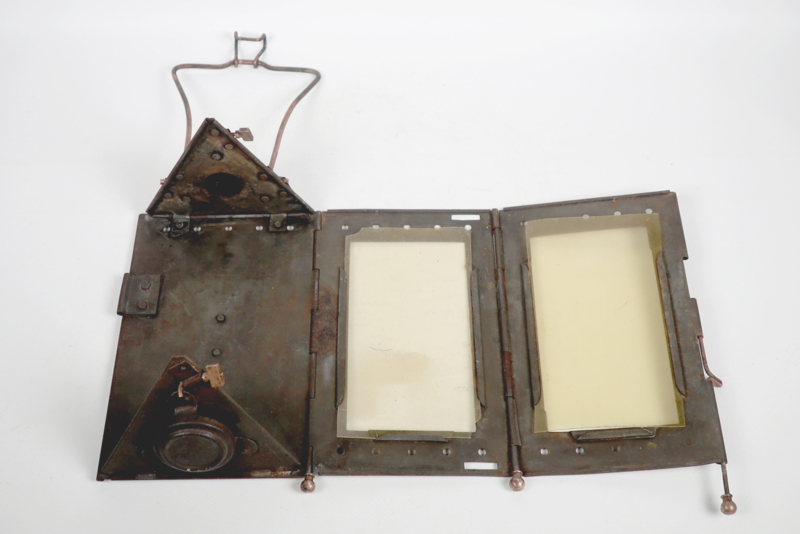
The French M1910 triple-folding candle lantern—officially known as the Lanterne de campement (or cantonnement) "Montjardet" M1910—was a compact, collapsible light source widely issued to French infantry and officers during World War I. The lantern was designed to provide discreet illumination in trenches and encampments, and could fold completely flat to fit into a soldier's pack.
Key Specifications and Design
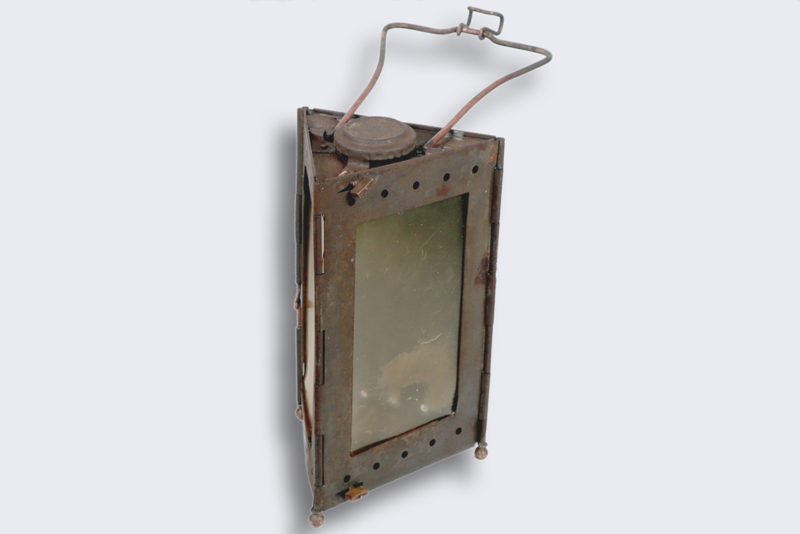
- Structure: A triangular (3-sided) design made of tin-plated steel, sheet metal, or brass.
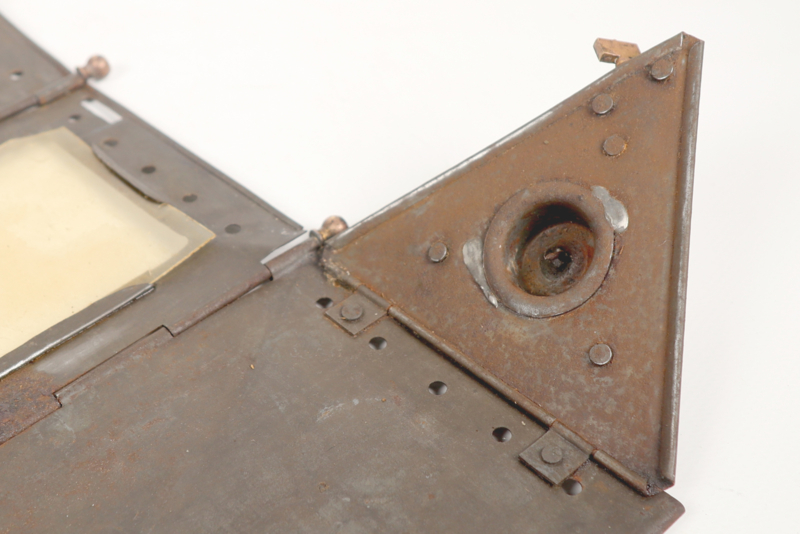
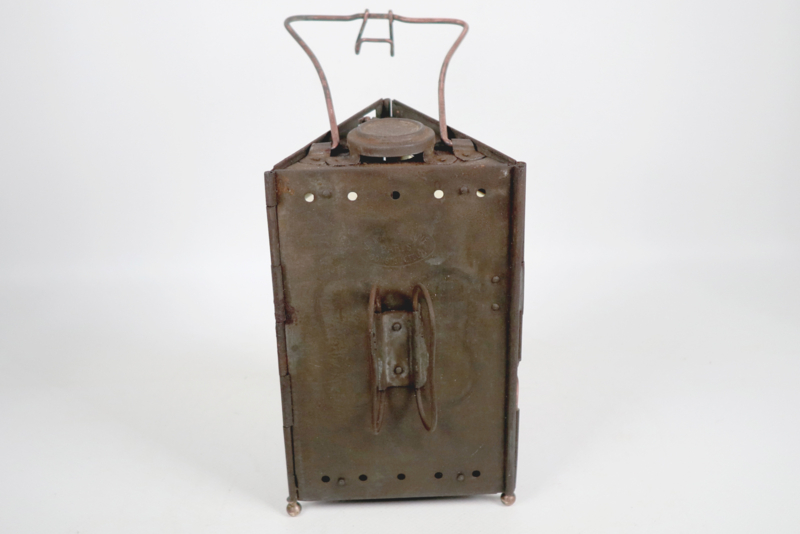
- Panels: Equipped with a solid metal back panel to prevent light from shining backward (keeping the soldier hidden from the enemy) and two transparent windows at the front.
- Windows: Clear panes originally made of thin sheets of mica (isinglass) or celluloid.
- Durability: Materials were highly heat-resistant and, unlike glass, did not shatter from the blast waves of artillery shells.
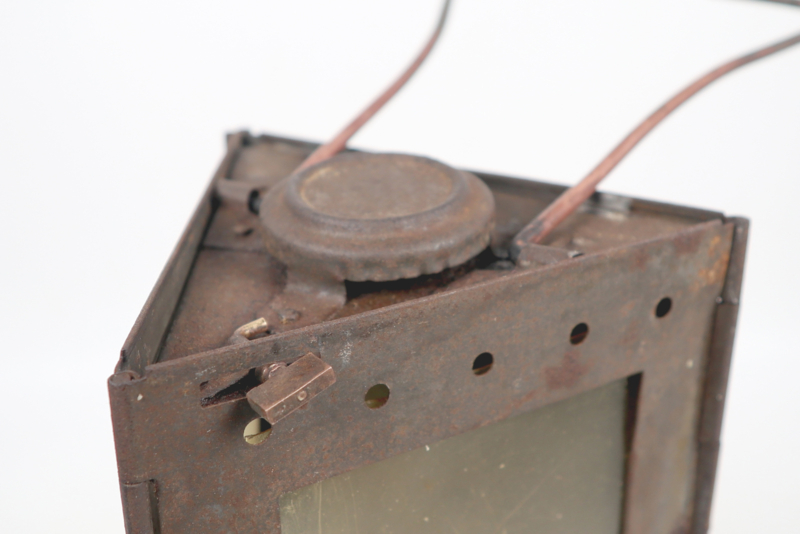
- Ventilation: Precise air-intake holes at the bottom and a small chimney cap at the top allowed the candle to burn steadily without flickering, even while walking.
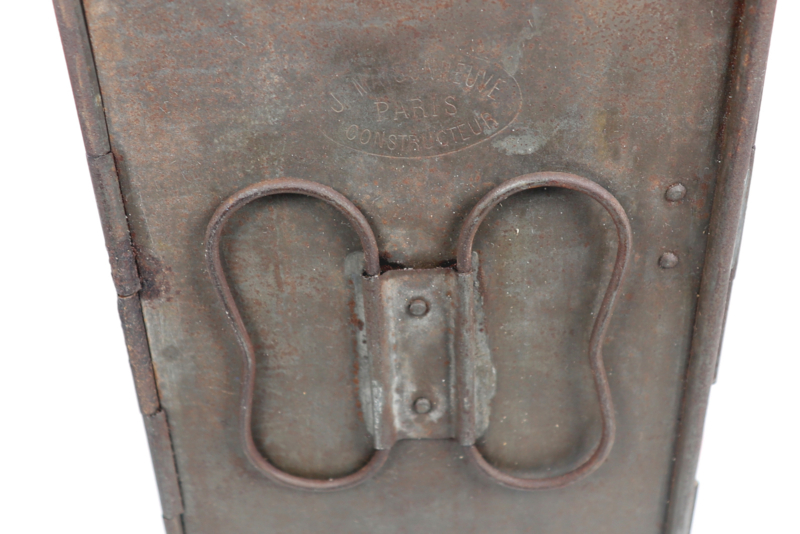
- Portability: Features a long, folding wire handle at the top that served as a hanging hook, and dual wire handles on the back panel for carrying the lantern by hand.
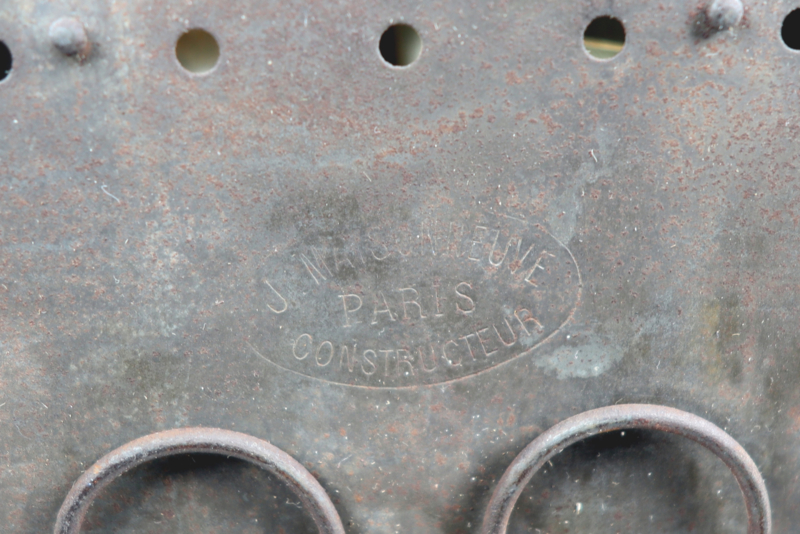
- Manufacturers: Historical examples are stamped by French makers such as J. Maisonneuve Paris and Astra Paris.
Historical Significance
The M1910 lantern was introduced just before the outbreak of the Great War and grew into an indispensable piece of equipment at the front line. In the harsh conditions of trench warfare, any open light source immediately drew the attention of snipers or artillery.
The Monjardet lantern solved this by offering a faint, directional, and windproof candlelight. This allowed soldiers to safely read maps, cook, or maintain equipment in dark dugouts. Its efficient, three-sided folding design was so successful that it was later copied by the German and Austrian armies.