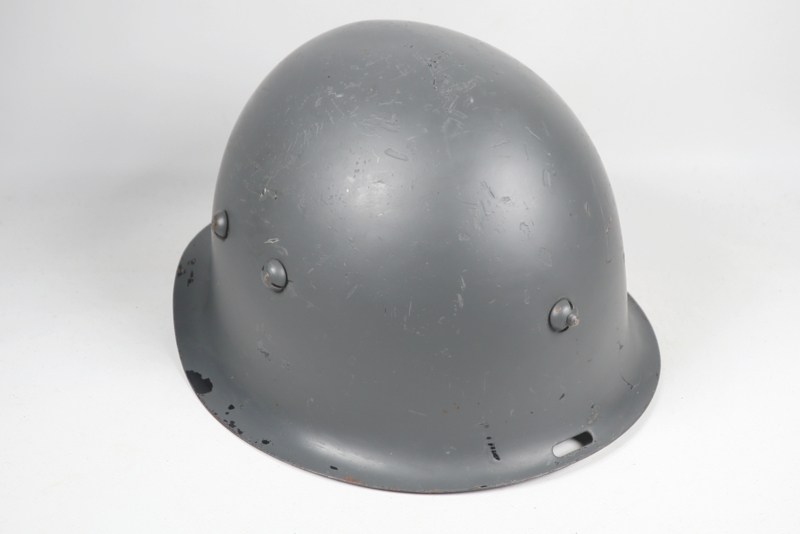
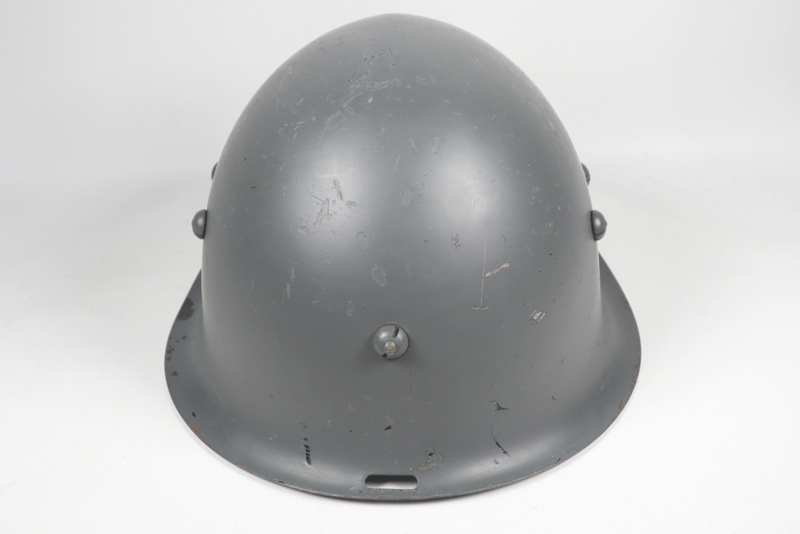
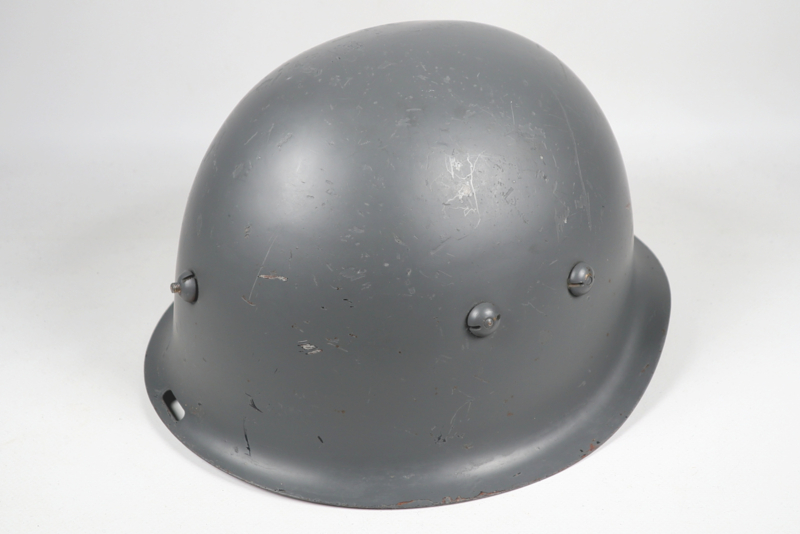
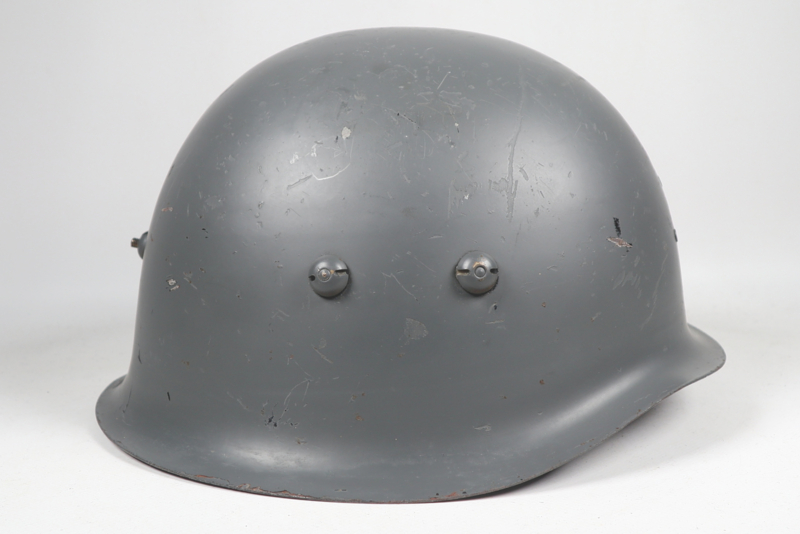
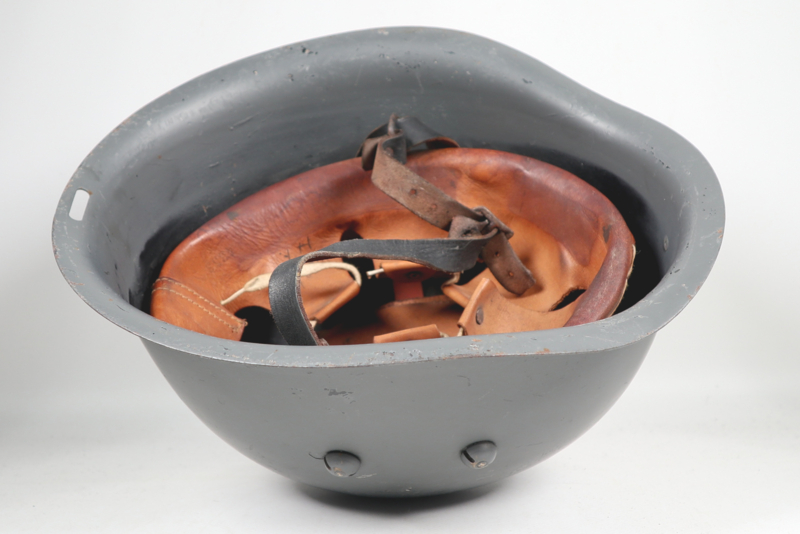
Danish M1939 Helmet
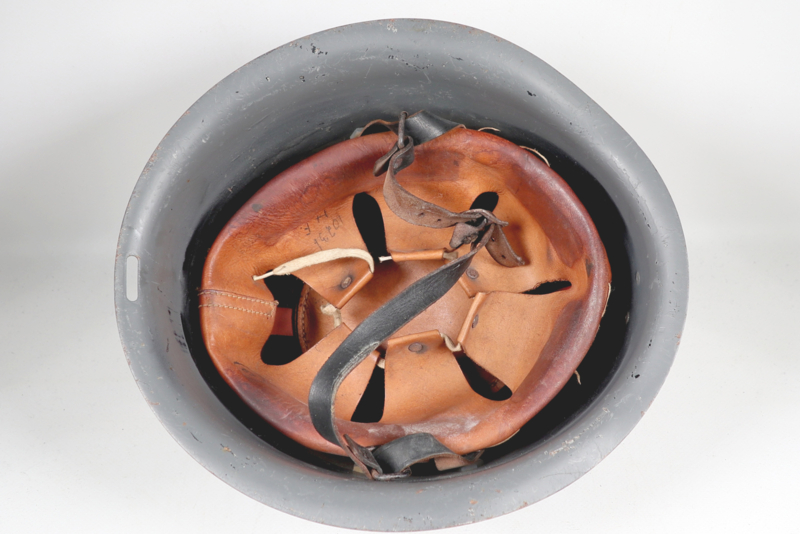
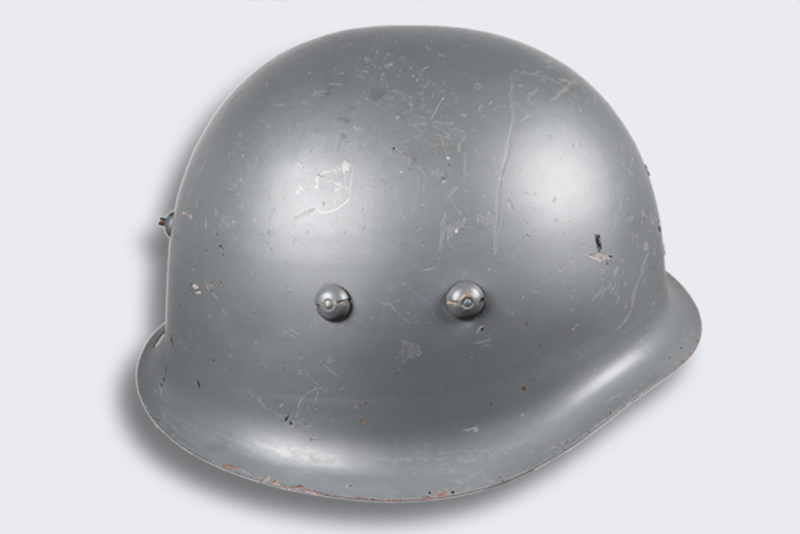
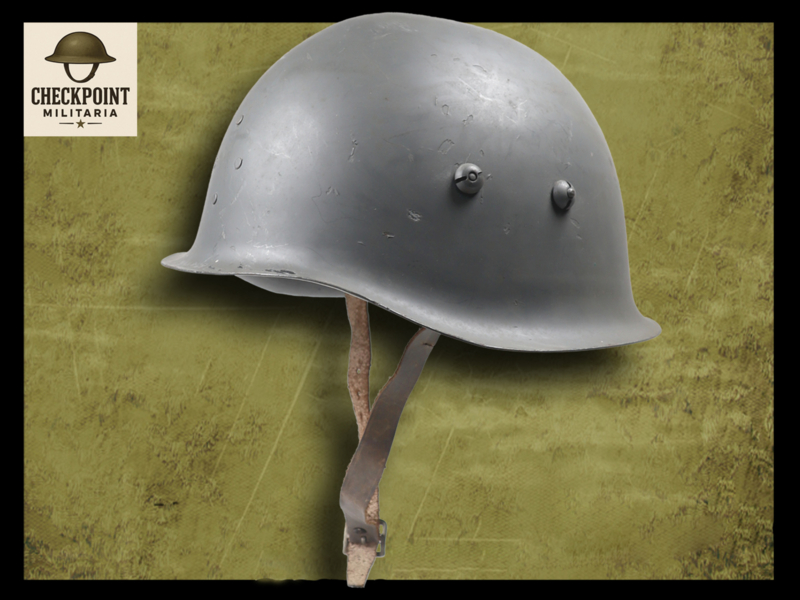
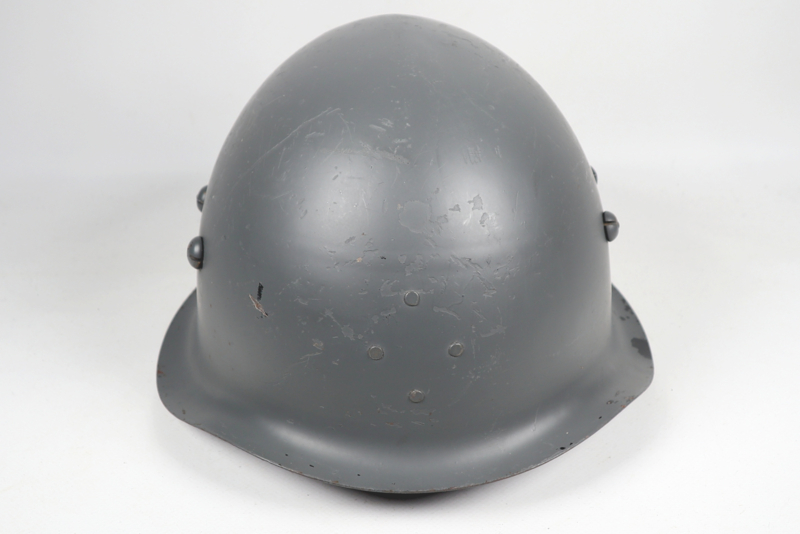
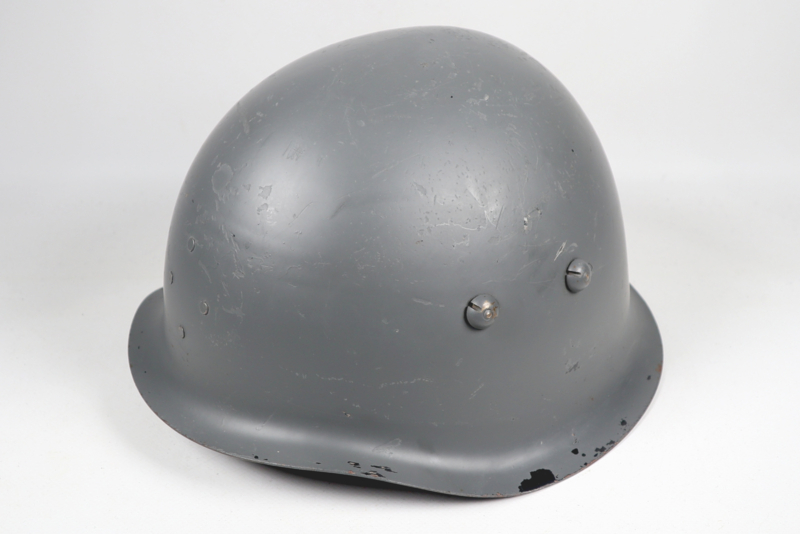
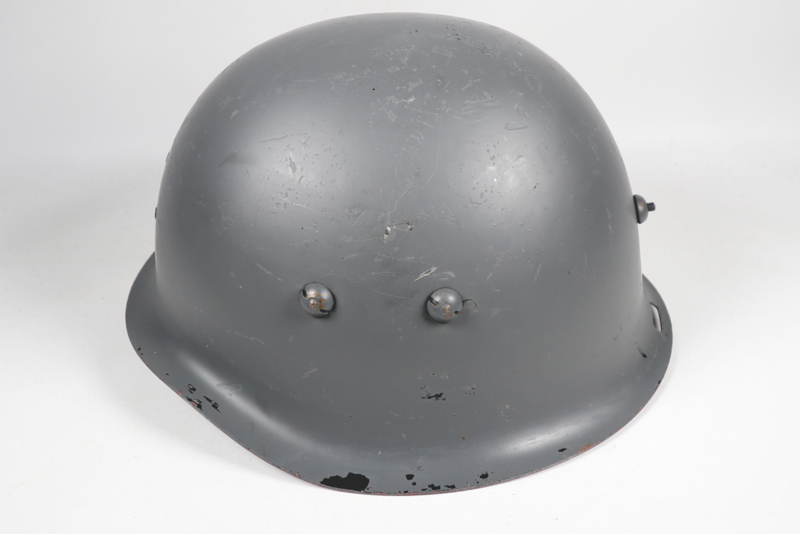
The Danish M1939 helmet, also known as the "Amalienborg helmet", is a rare steel helmet specifically produced for the police units guarding the Danish Royal Palace, Amalienborg.
While its shape is similar to the more common M1923 army helmet, the M1939 is significantly heavier and more robust.
Key Features
- Users: Originally intended for the palace guard and police. During WWII, they were also used by Civil Defense and resistance groups.
- Color: The original color is typically a glossy black or very dark grey. Examples later used by civil defense were often repainted grey.
- Badge: The front originally featured a large brass police emblem. Because this shiny metal made guards an easy target for snipers, the badges were often removed during the war and the holes plugged.
- Manufacturer: Like the army helmets, they were produced by the firm A/S Glud & Marstrands Fabrikker.
Historical Context
The helmet is most famous for its role in the defense of the palace on August 29, 1943, when German troops attempted to capture the Danish Royal Family (Operation Safari). The palace guards, wearing these helmets, put up a fierce resistance until they were forced to surrender.
Today, the M1939 is a highly sought-after item for militaria collectors due to its limited production run and its specific connection to the Danish monarchy.