


French M78 Series 1 Helmet
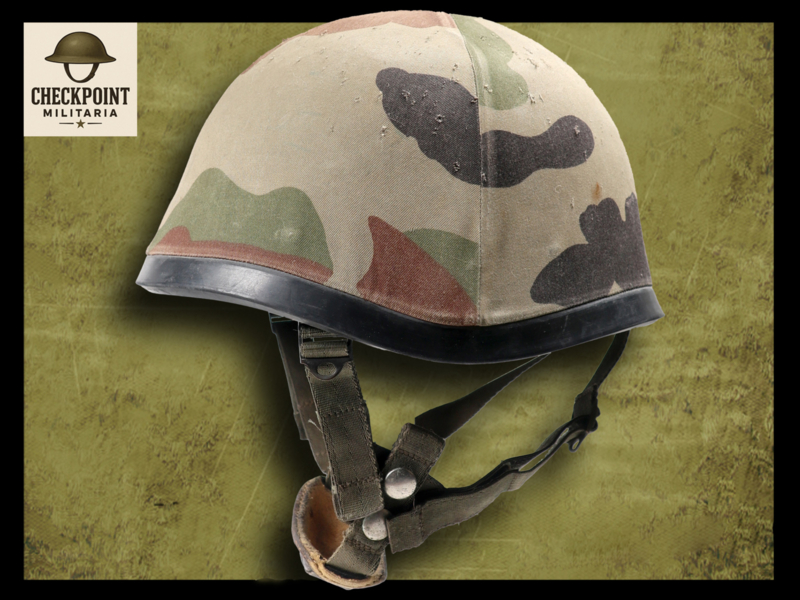
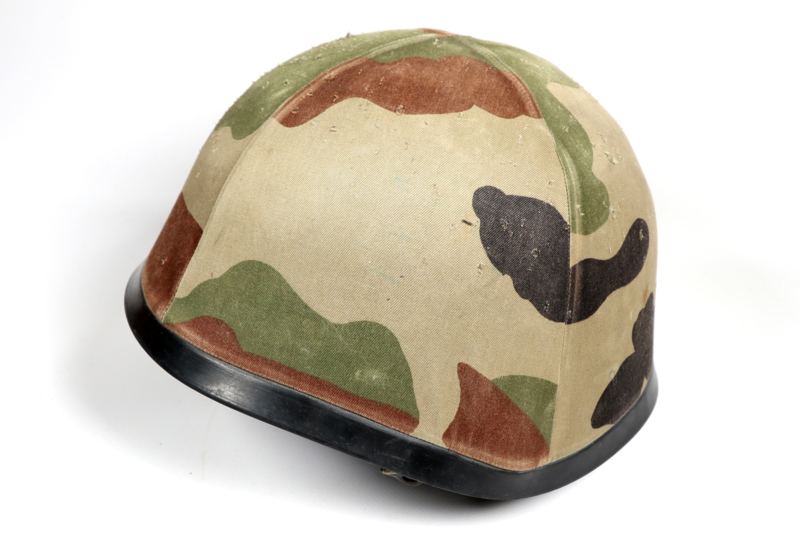
The French M78 helmet, officially designated as the Modèle 1978 and universally known as the F1 helmet, was the last steel combat helmet issued on a large scale to the French Armed Forces. It replaced the obsolete two-piece Modèle 1951 helmet and served as the standard infantry helmet in the 1980s and early 1990s. Starting in 1992, the helmet was gradually replaced by the composite SPECTRA helmet.
Important Technical Specifications
- Material: Formed from a single 1.2 mm thick sheet of non-magnetic manganese steel.
- Weight: Approximately 1.2 kg to 1.4 kg.
- Color: Factory dyed in a satin, infrared-resistant NATO olive green color. Dark blue versions were produced for the Gendarmerie Nationale and light blue for UN peacekeeping missions.
- Production: Primarily manufactured by Dunois (Cousance) and GIAT (Rennes).
Key Design Features
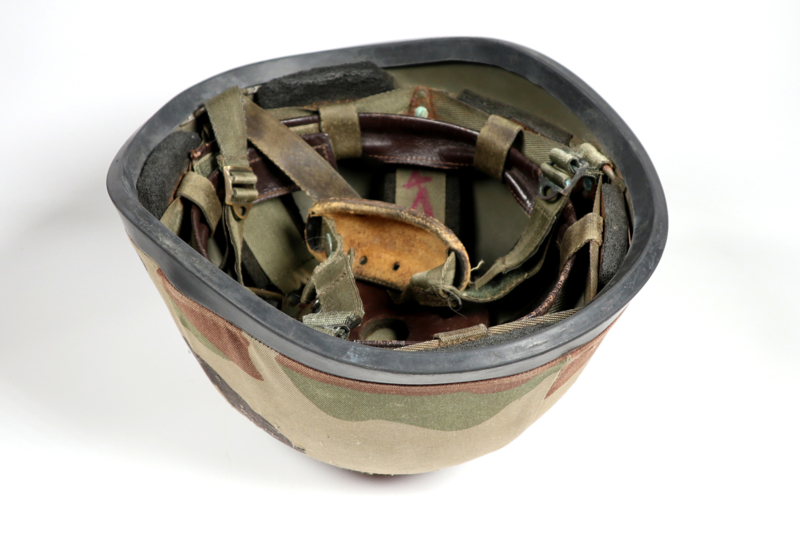
- One-piece construction: Unlike its predecessor (the M51), which used a separate inner helmet under a heavy steel outer shell, the M78 integrated everything into a single shell.
- Optimized shape: The rim and curvature were specifically designed so that a soldier maintained a clear field of vision while prone.
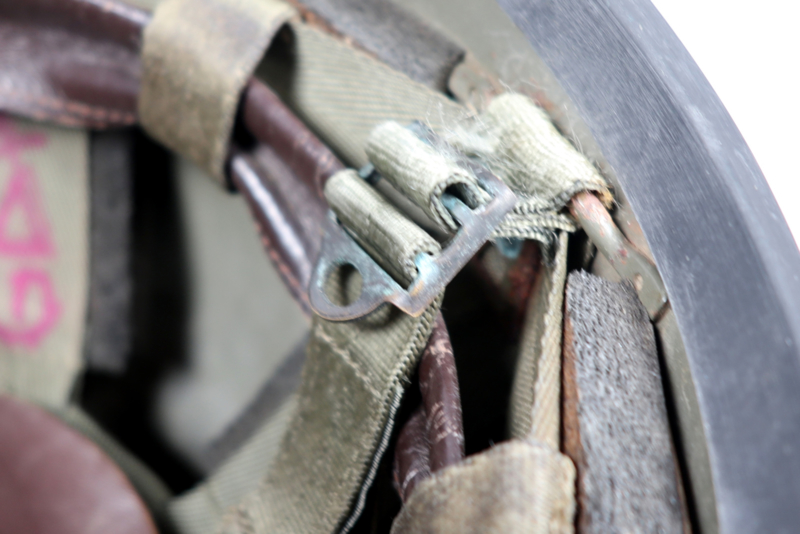
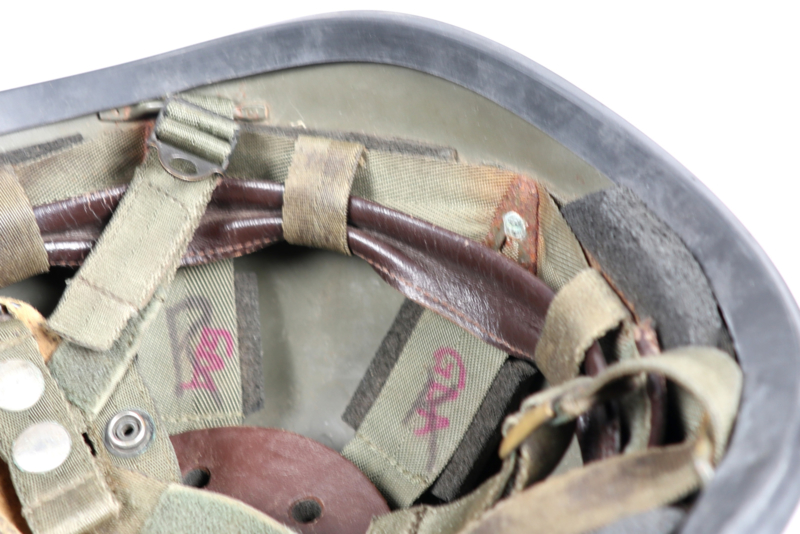
- Interior and strap: Equipped with an adjustable inner lining with thick padding. It utilizes a distinctive 3-point adjustable chin strap system with a chin guard, heavily influenced by paratrooper requirements to prevent the helmet from shaking loose.
Evolution of Variants
- Series 1 (1978–1981): The first model used metal snap buttons on the chin strap. Paratroopers complained that these buttons easily came loose during jumps, causing the helmet to fall off.
- Series 2 (1982 and later): Upgraded to resolve this issue. The problematic snap fasteners were replaced by a more secure Velcro closure threaded through a metal buckle.
Operational History
The M78 helmet was deployed across all branches of the French Army and earned the nickname "casquette en peau de locomotive" due to its dense steel shell. The helmet saw its first test during the multinational intervention in Lebanon (1982) and was prominently worn by French troops during the Gulf War of 1991 (Operation Daguet). Although the helmet was primarily designed to deflect shrapnel and explosive fragments, it remains a very popular and comfortable helmet from the Cold War era.