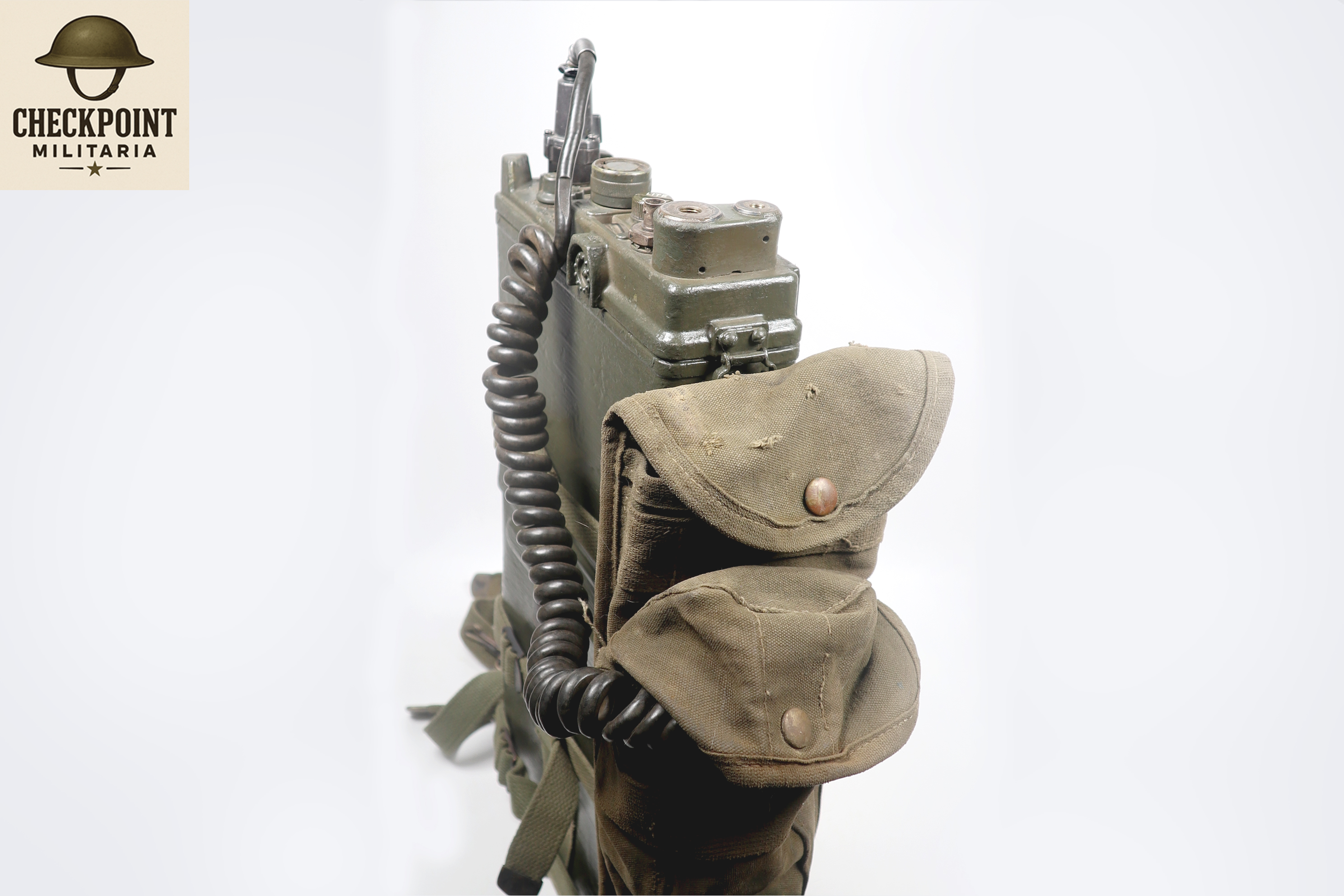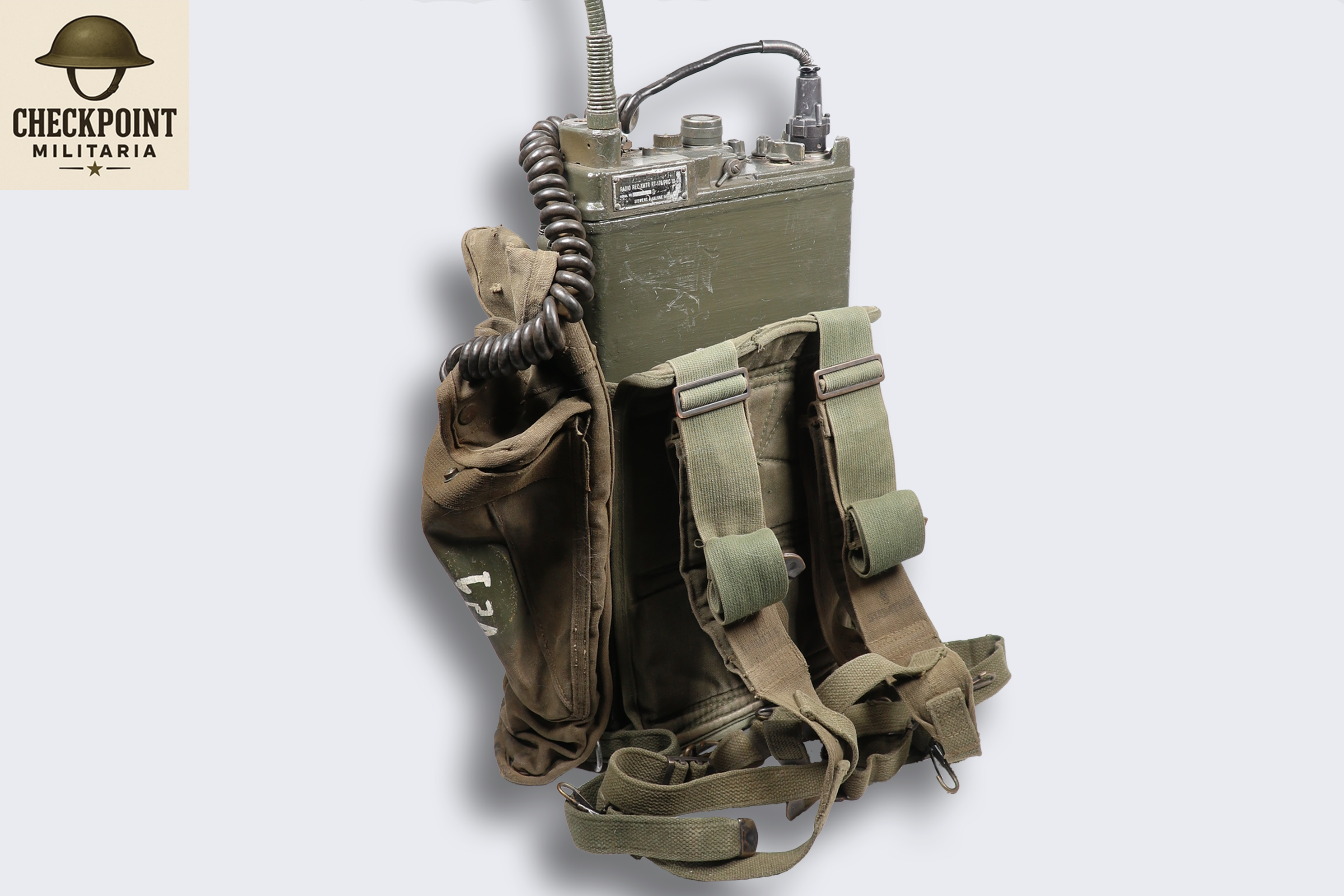
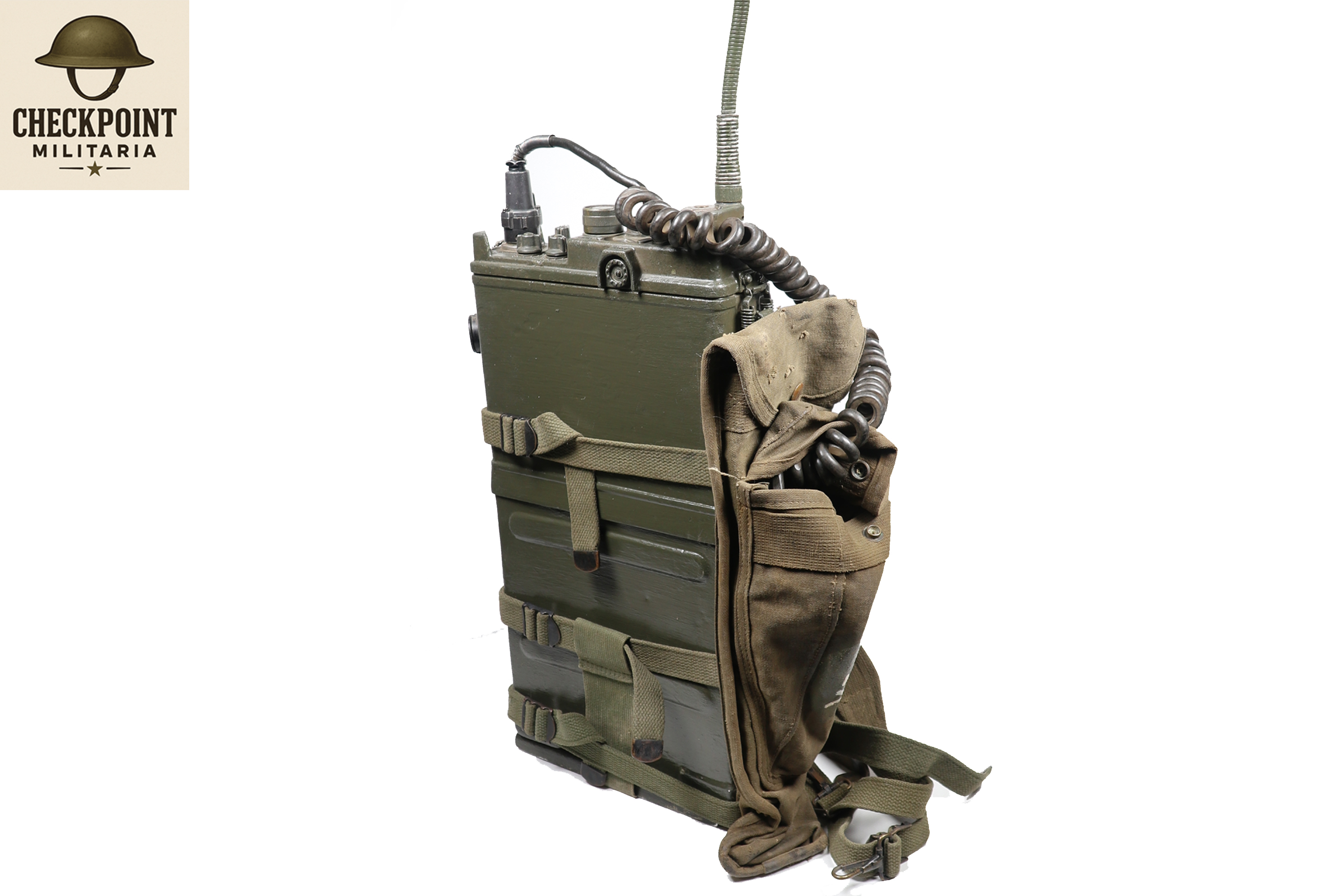
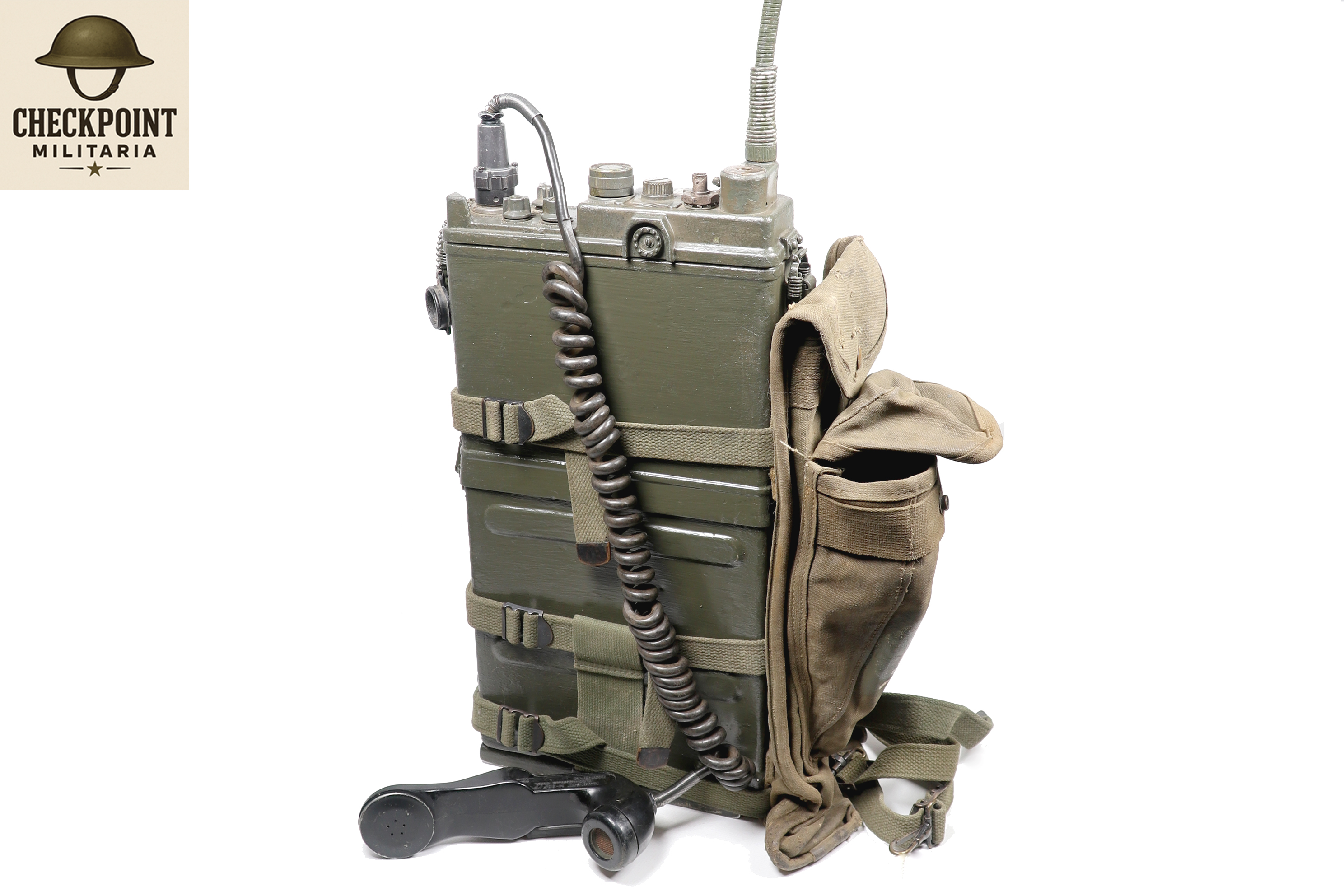
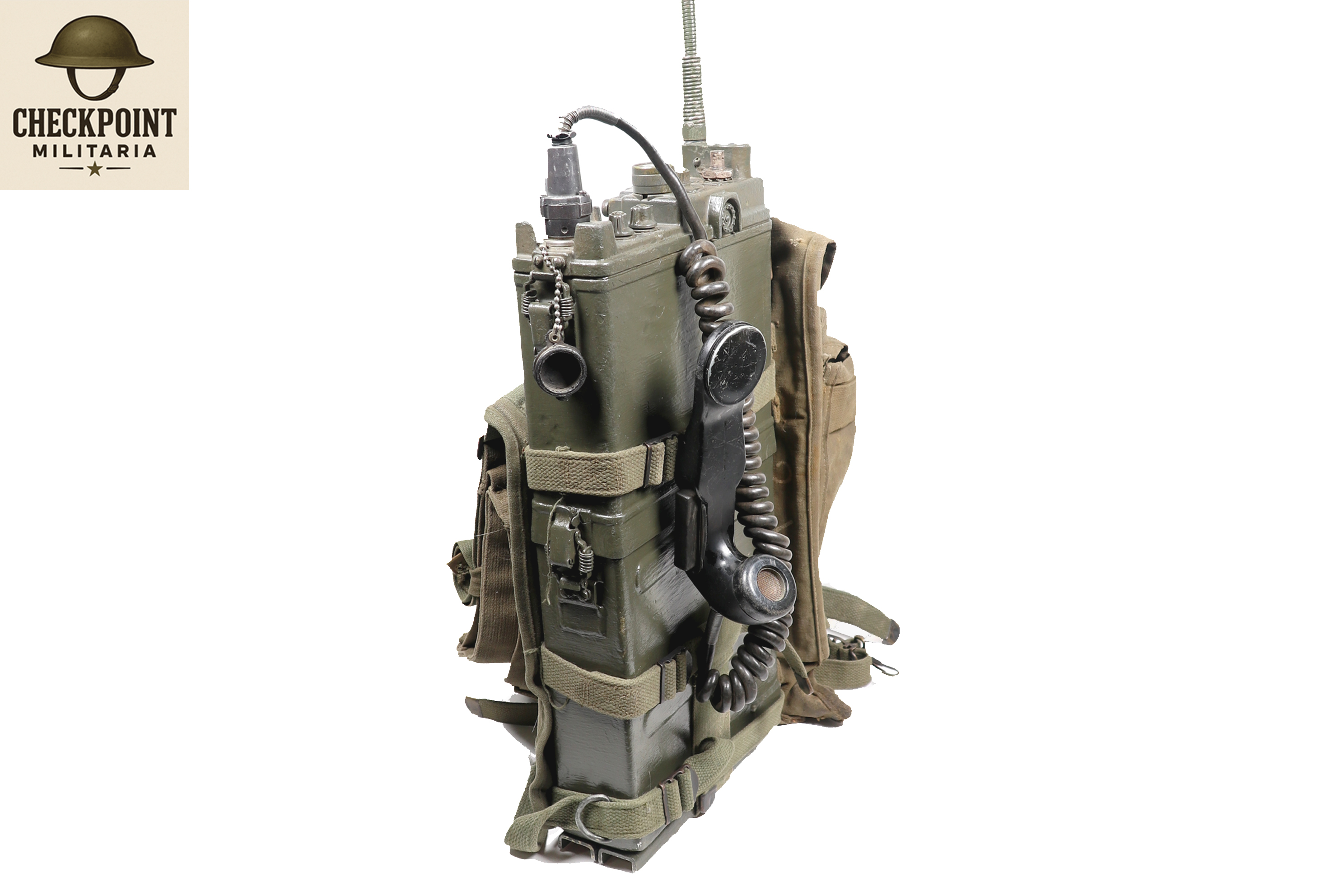
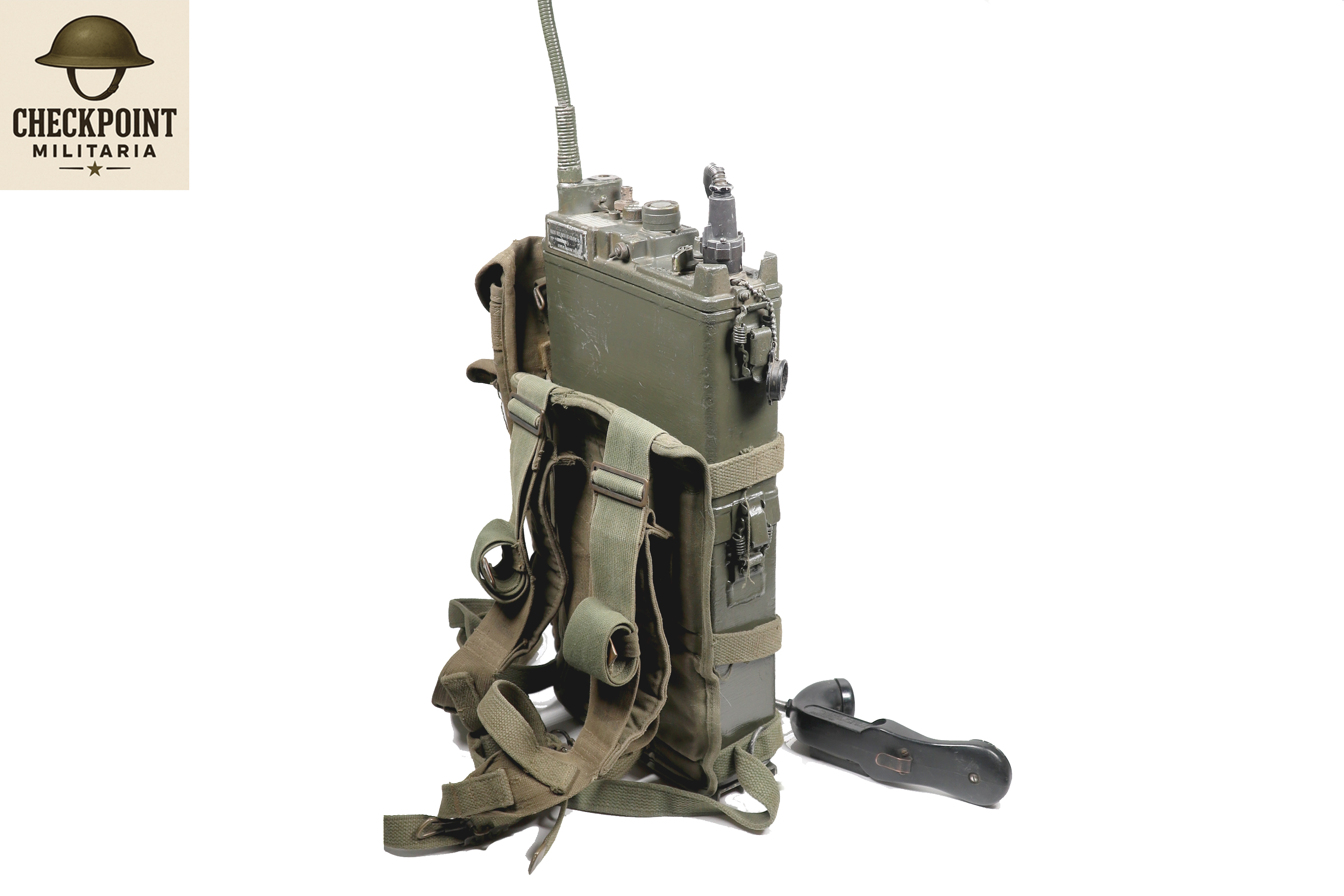
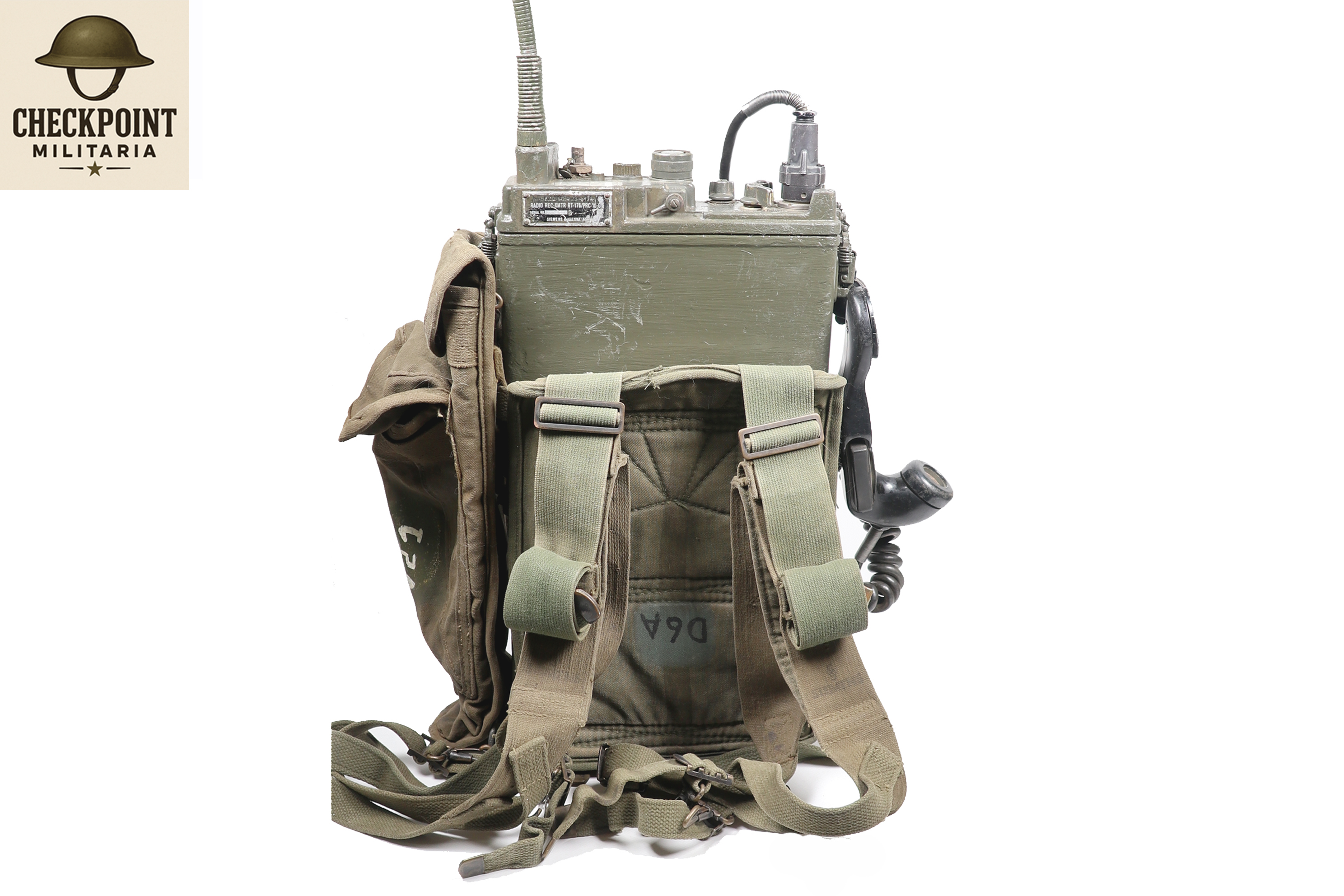
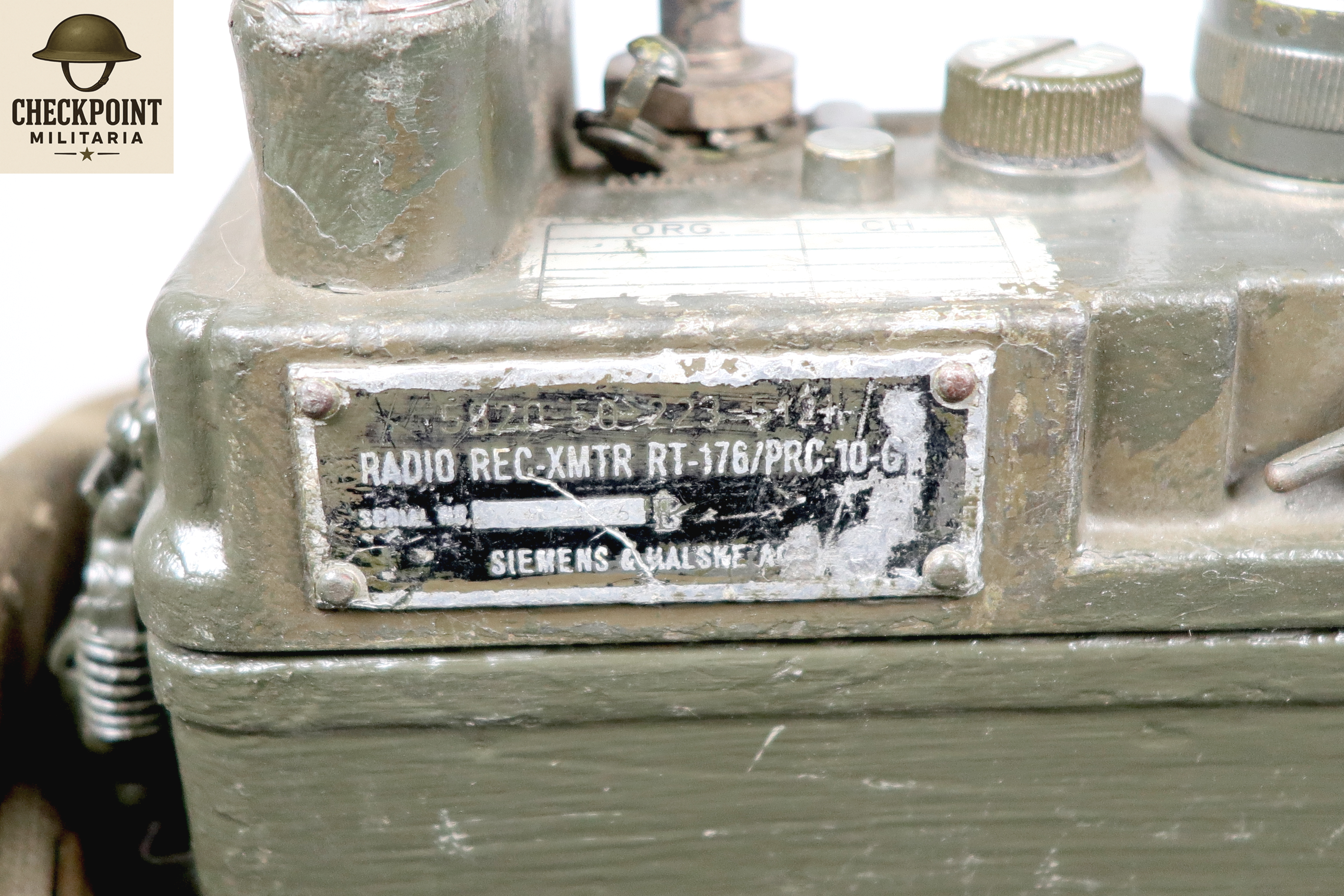
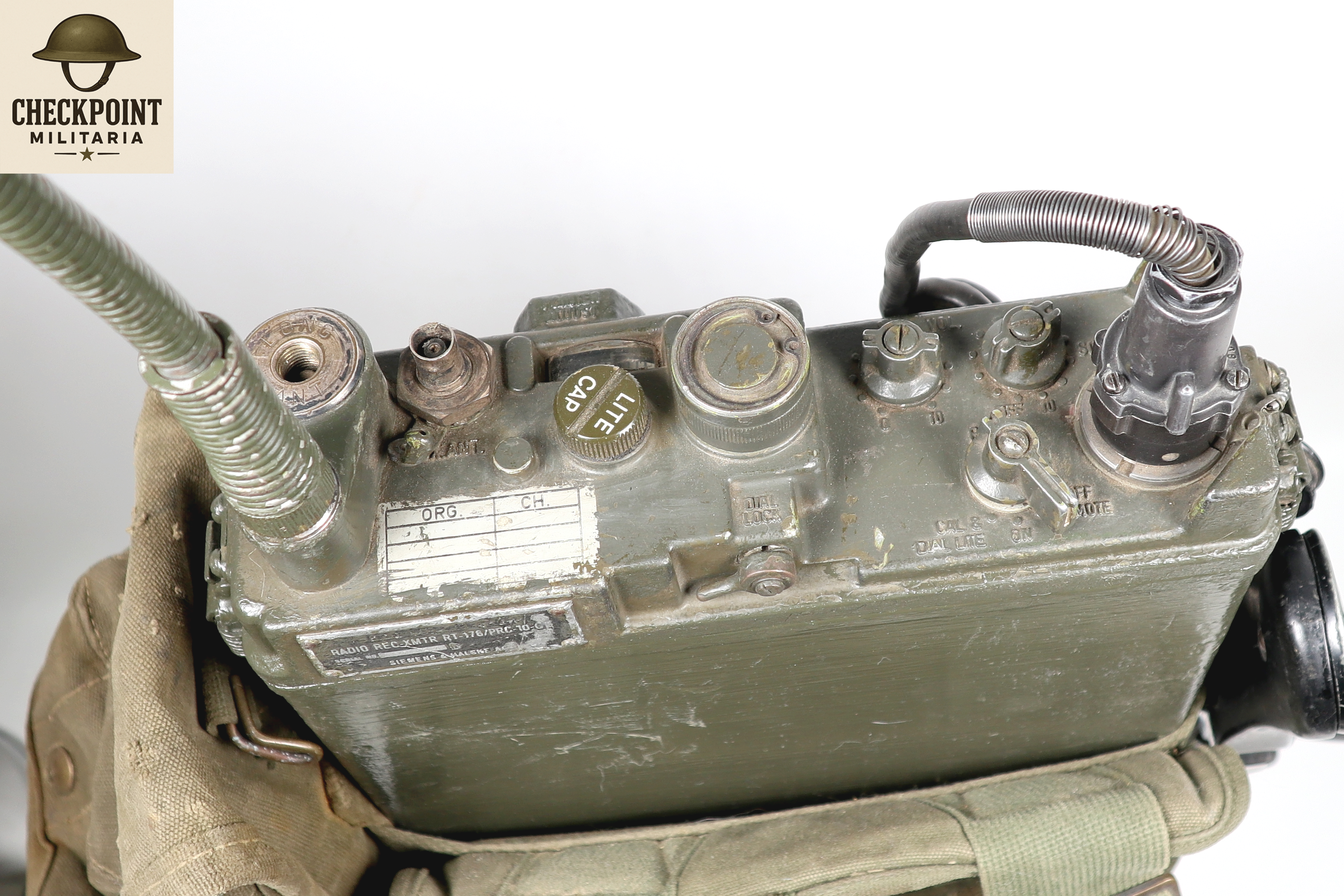
U.S. Korean War/ Vietnam War AN/PRC-10 Backpack Radio
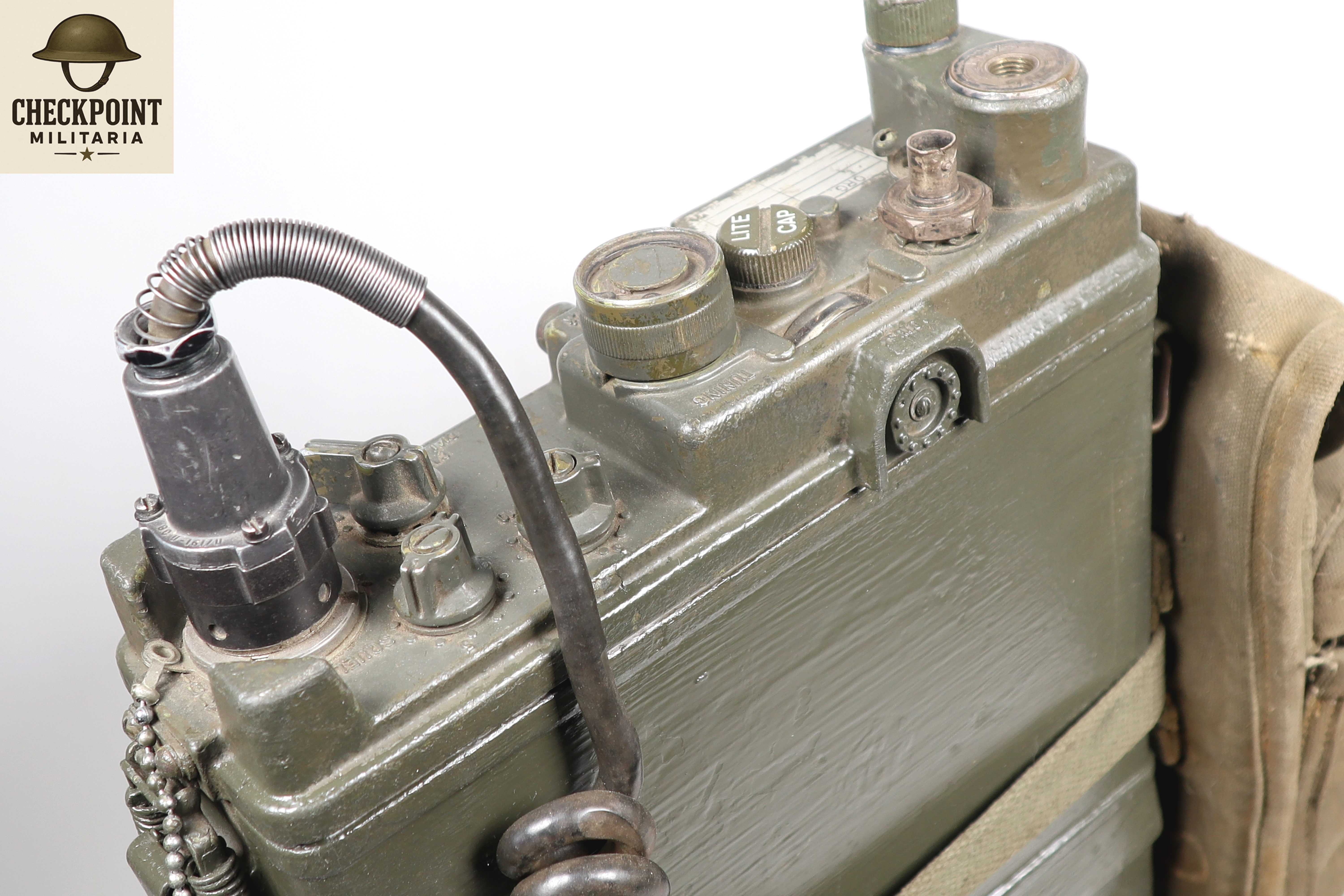
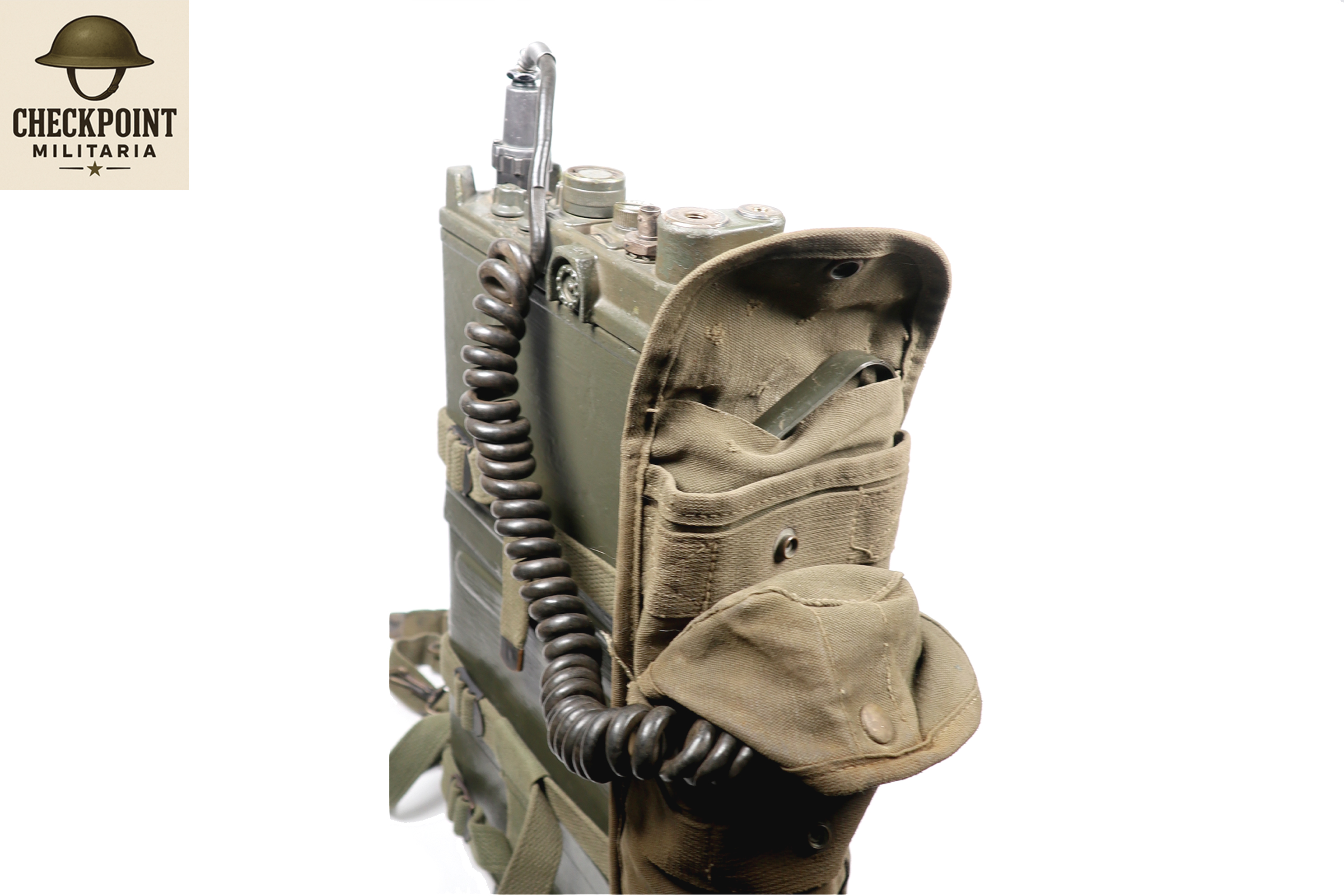
The AN/PRC-10 is a portable VHF FM combat radio introduced by the US Army in March 1951. The radio served as the primary communication tool at the platoon and patrol level during the Korean War and the early stages of the Vietnam War.
System Origin
The AN/PRC-10 was part of a family of three identical transceivers, each designed for a specific military branch based on frequency:
- AN/PRC-8: 20.0 to 27.9 MHz (primarily for armored units/cavalry).
- AN/PRC-9: 27.0 to 38.9 MHz (primarily for artillery).
- AN/PRC-10: 38.0 to 54.9 MHz (primarily for infantry).
Technical Specifications
The device represents the peak of military vacuum tube radio technology, just before the breakthrough of the transistor. The main features are:
- Electronics: 16 subminiature vacuum tubes (later "A" variants had 14).
- Modulation: Frequency Modulation (FM).
- Transmission Power: Approximately 0.9 to 1.0 Watt.
- Range: Around 5 to 8 kilometers (3 to 5 miles), highly dependent on terrain.
- Weight: 11.8 kg (26 lbs) including battery, housing, and accessories.
- Power Supply: BA-279/U dry cell battery (simultaneously delivers 1.5V, 6V, 67.5V, and 135V). Not included.
Accessories and Field Use
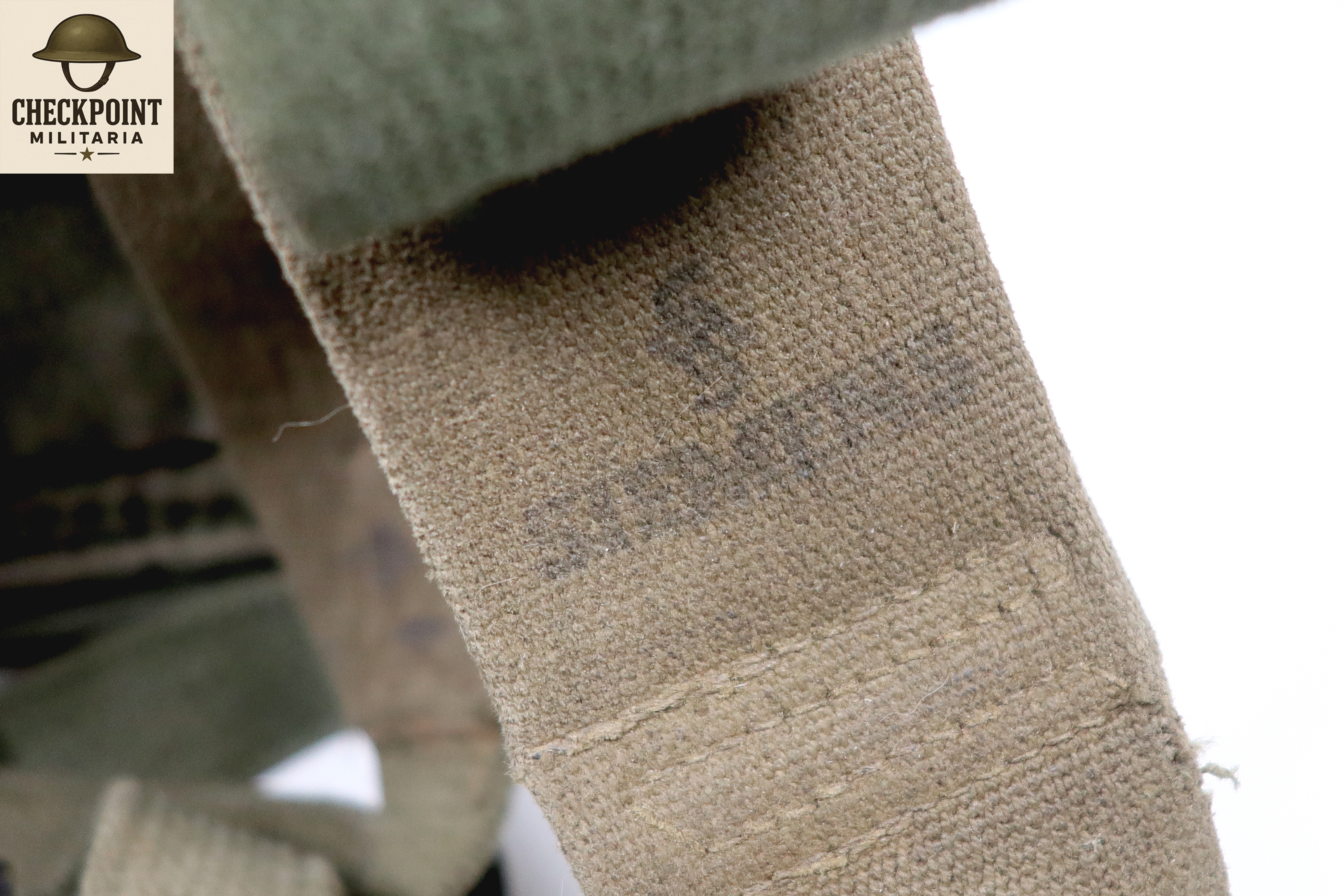
The radio was worn on the back using a canvas harness (ST-120/PR). A complete field kit consisted of:
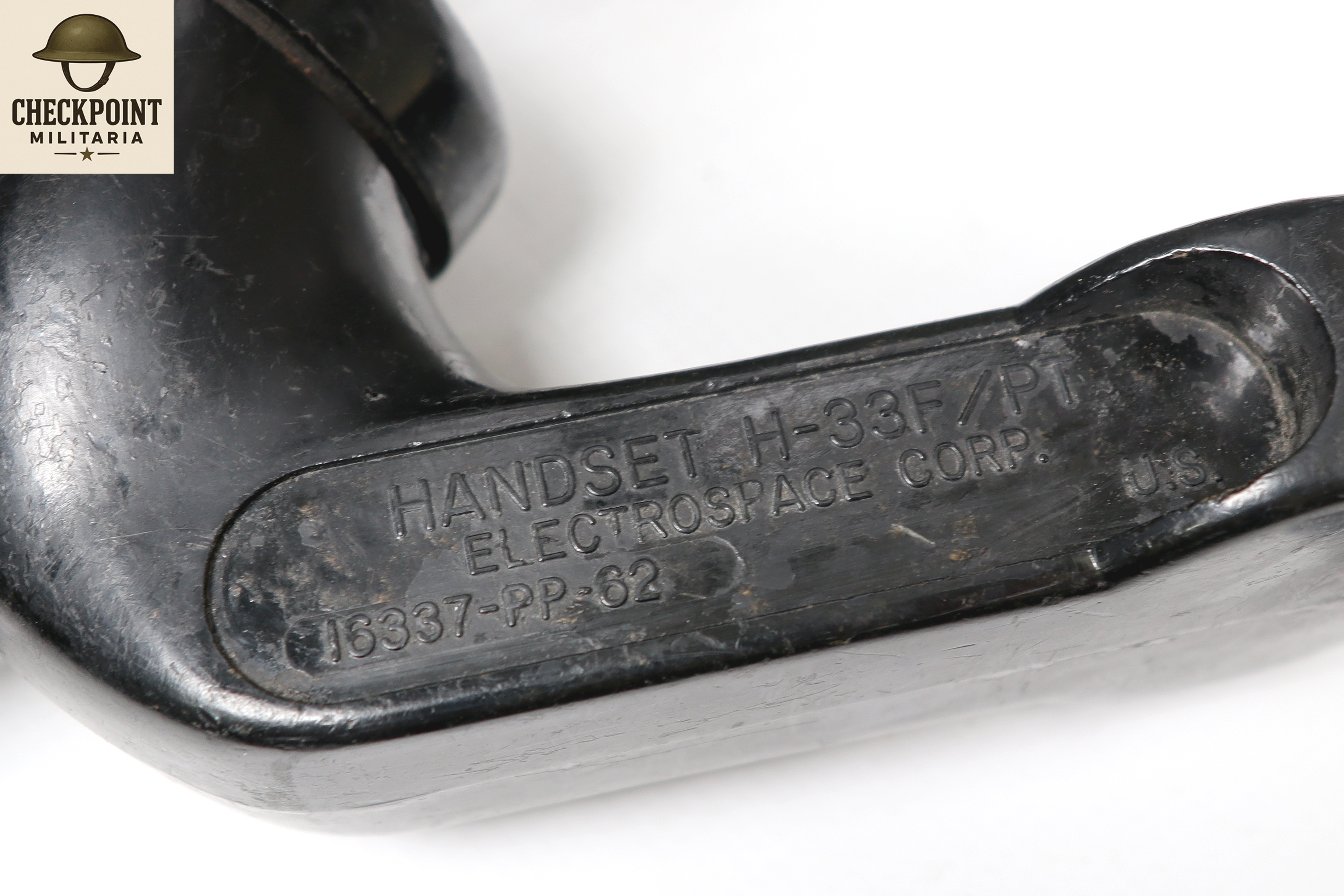
- Handset: Type H-33F/PT with a built-in push-to-talk button.
- Antennas: A 90 cm flexible steel tape antenna (AT-272/PRC) for short distances while walking, or a 3-meter long broadband antenna (AT-271/PRC) for stationary use.
Phasing Out
Although the radio was modular and waterproof, the system suffered from a short battery life and frequency drift (transmitter drift caused by heat from the tubes). From 1965 onward, the AN/PRC-10 was rapidly replaced in the Vietnam War by the lighter, fully transistorized AN/PRC-25.