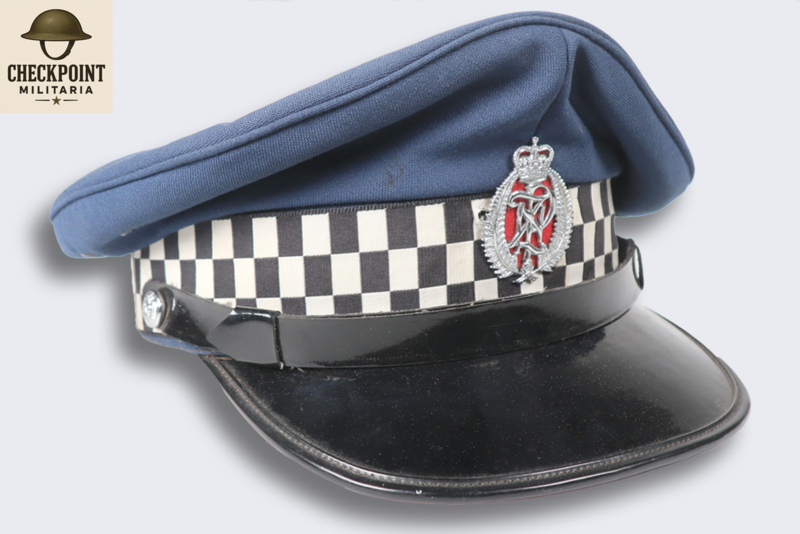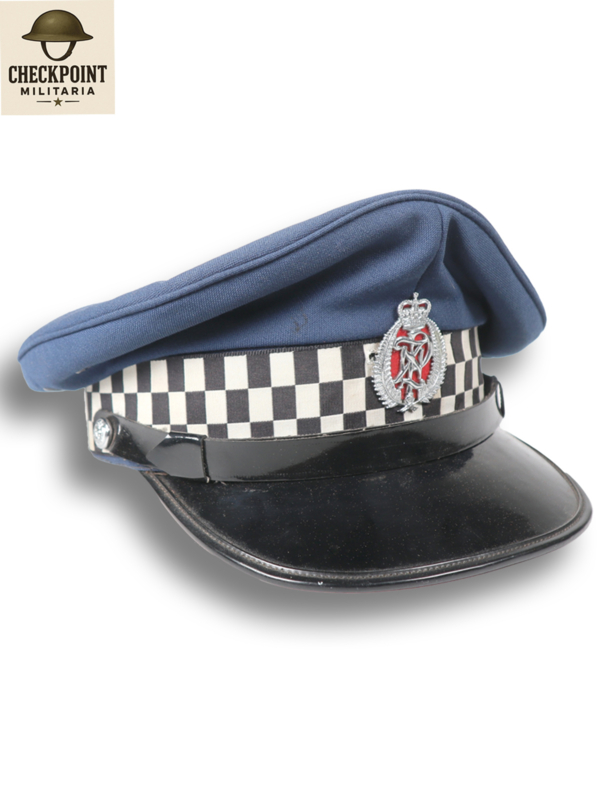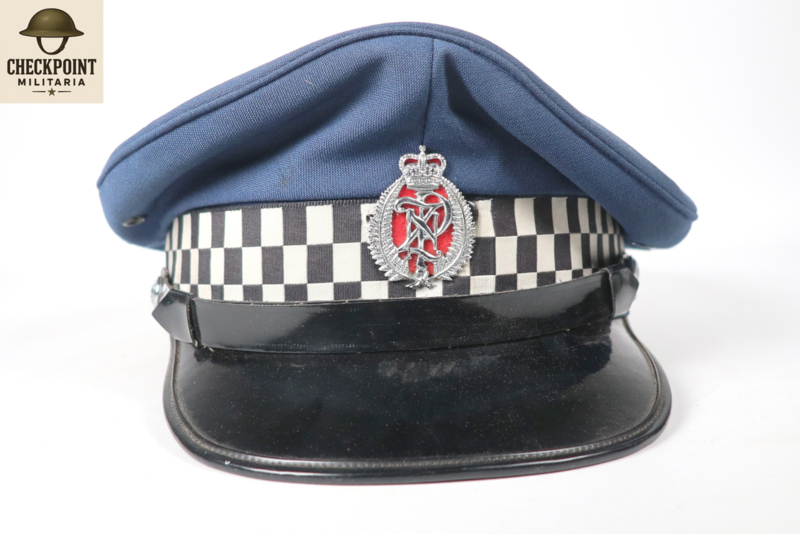
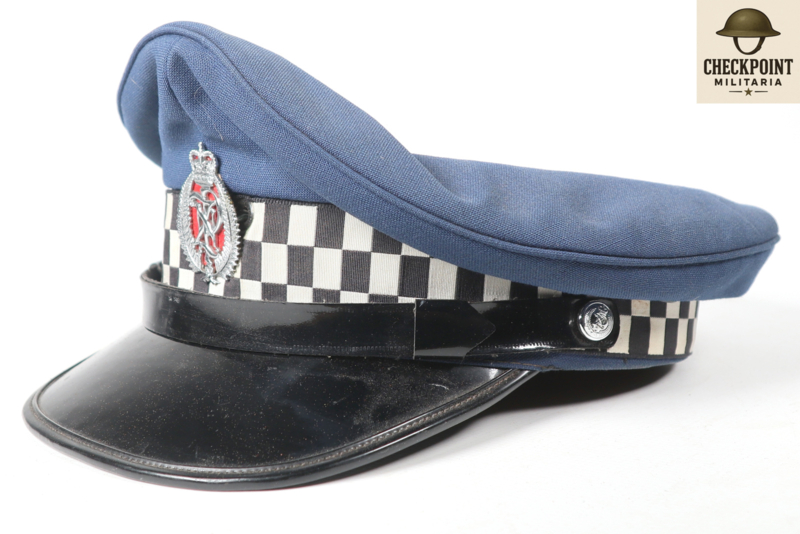
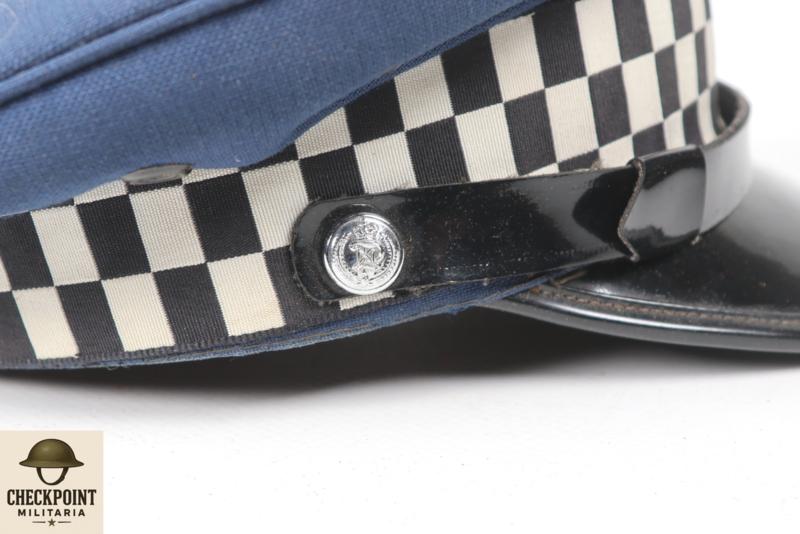
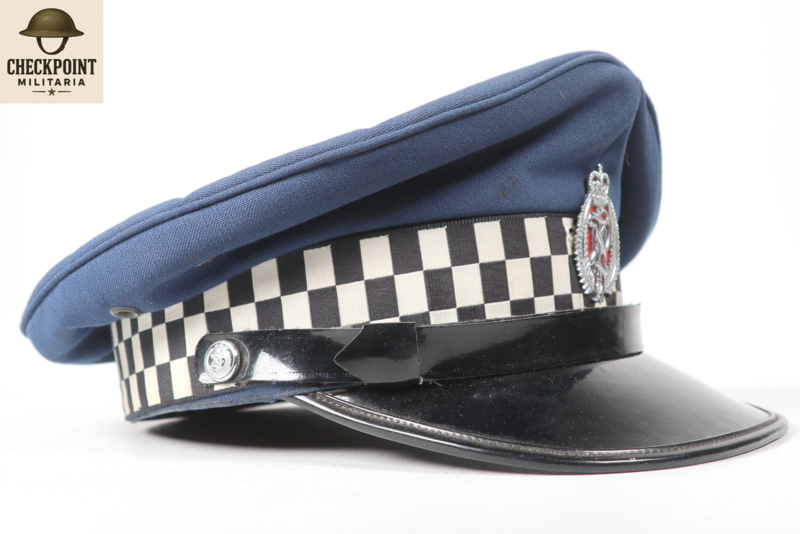
Police Cap New Zealand
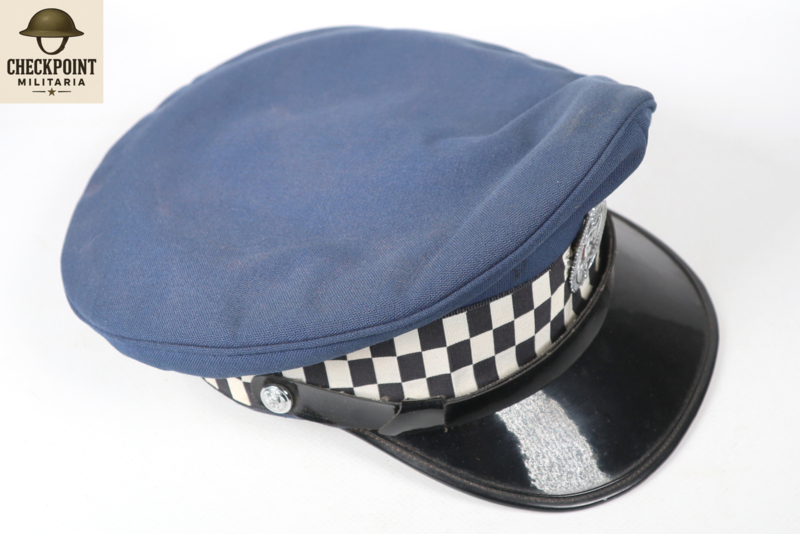
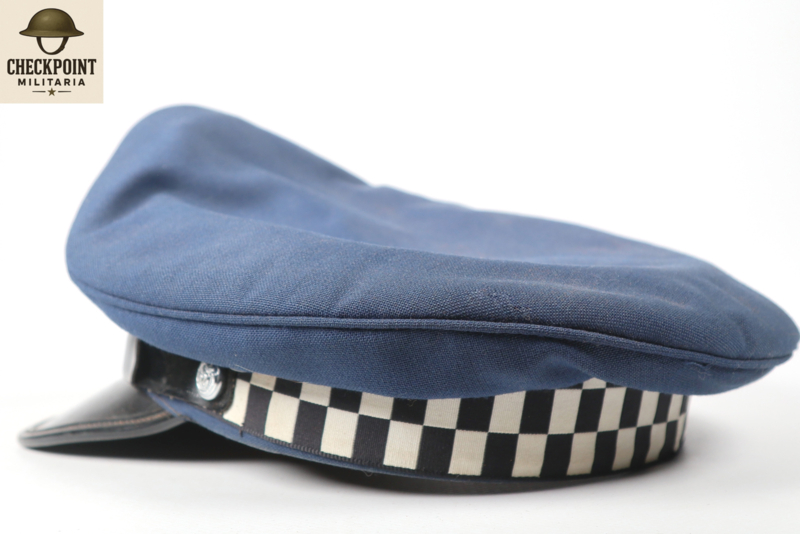
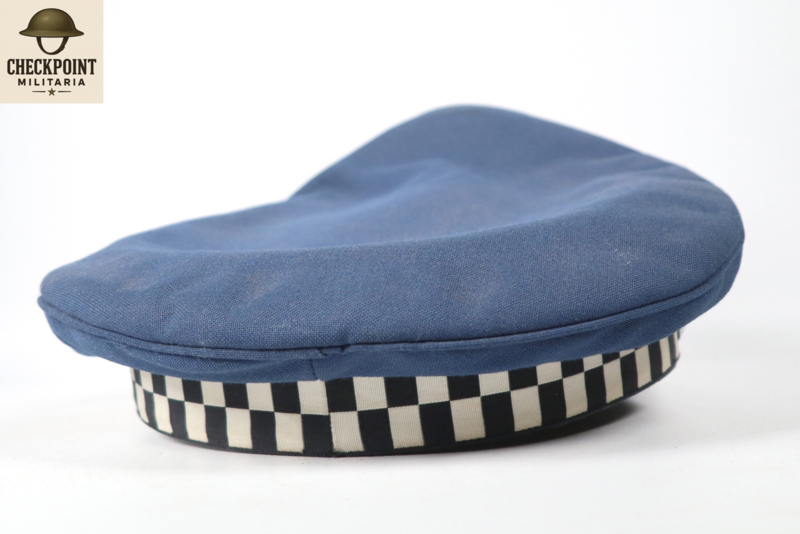
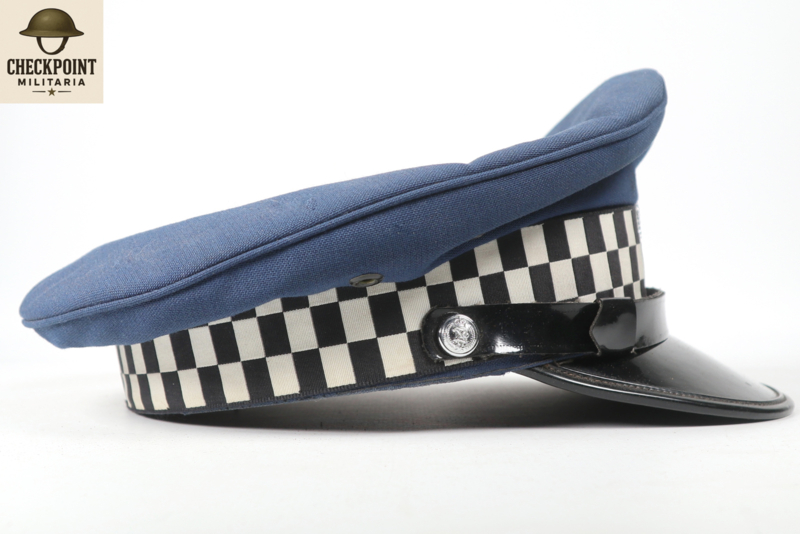
The checkered pattern on the New Zealand police cap is internationally known as the Sillitoe Tartan. This pattern is one of the most recognizable symbols of the police worldwide and has deep historical significance.
Origin and Meaning
- Scottish Roots: The pattern is named after Sir Percy Sillitoe, who, as Chief Constable in Glasgow, introduced the checkered ribbon in 1932 to distinguish police officers from other uniformed professions, such as bus drivers and train conductors.
- Identification: In New Zealand (and Australia), the black and white variant is used. It serves as a universal symbol of authority and emergency response, making officers instantly recognizable to the public, even from a distance or in the dark.
Use on the New Zealand Cap
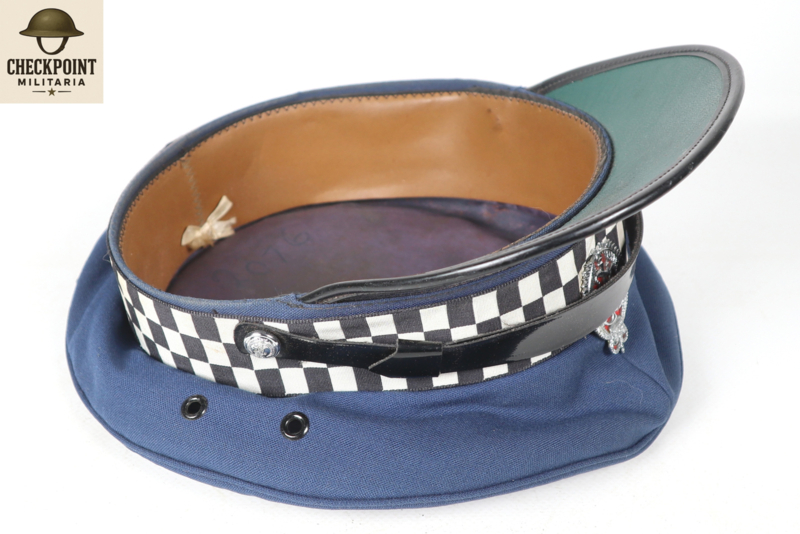
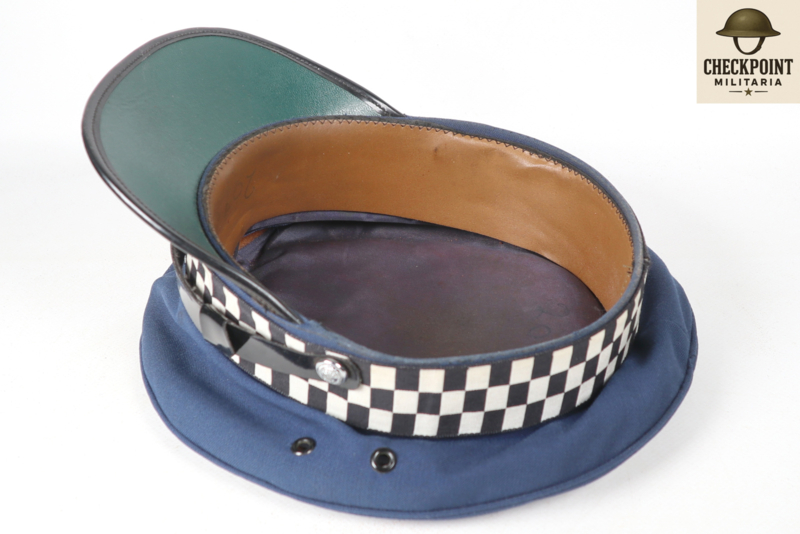
- The Design: The band usually consists of three rows of alternating black and white checkered ribbons. This ribbon is fastened around the base of the forage cap (the traditional flat cap).
- Shift in Use: Since the introduction of the baseball cap in 2021 for daily operations, the checkered cap is primarily worn for formal occasions, ceremonies, and by officers in representative roles.
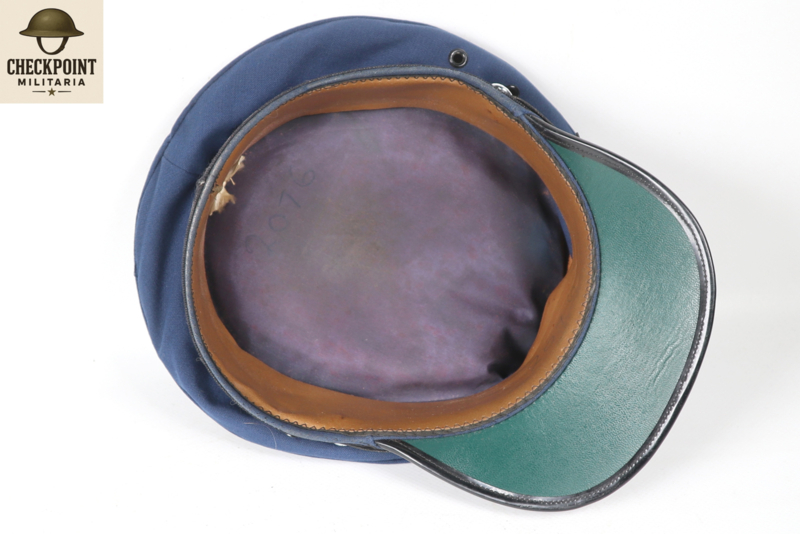
- Material: The cap itself is made of dark blue wool (serge) with a black glossy peak.
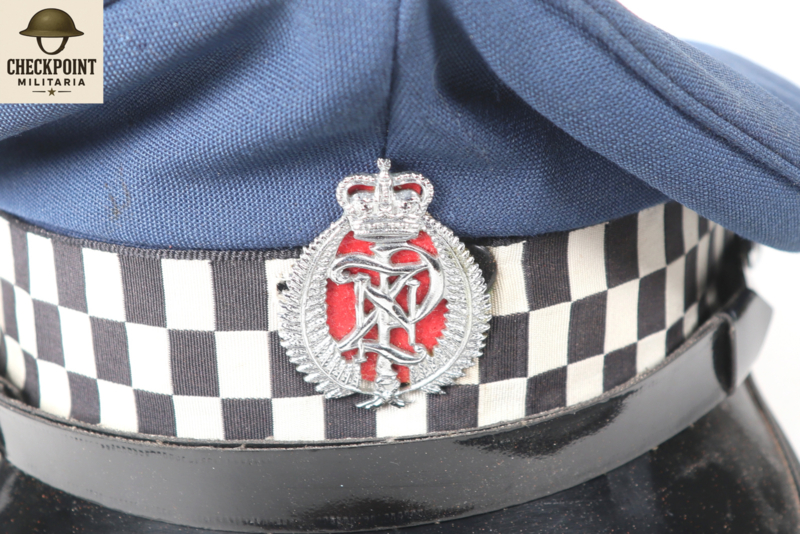
The emblem on the New Zealand Police cap (the forage cap) is a silver-colored metal badge centrally located on the front.
The key features of this emblem are:
- Text: The letters "NZP" appear in the center.
- Crowned: The emblem is crowned by a Queen's Crown. Since the accession of Charles III in 2022, the St. Edward's Crown (the "King's Crown") has been used on new badges, replacing the previous Queen's Crown.
- Frame: The central portion is flanked by two stylized silver ferns, the national symbol of New Zealand. Material: The badge is made of polished silver-colored metal (white metal) for most ranks.
For senior officers, such as inspectors, this badge is complemented by silver oak leaf decorations on the peak of the cap.
Size: 56